St Lucia is facing an unprecedented water crisis as reservoirs dry up due to a severe drought, with rainfall levels 40% below the historical average over the past year. The Caribbean island nation, known for its lush rainforests and tourism, is now struggling to provide water to its 180,000 residents and vital industries.
Drought Exacerbates Water Scarcity
The Water and Sewerage Company of St Lucia (WASCO) has implemented water rationing in several districts, with some areas receiving water only every other day. According to WASCO's CEO, the island's main reservoir, John Compton Dam, is at 30% capacity, down from 70% this time last year. The situation is critical, with no significant rainfall forecast in the coming weeks.
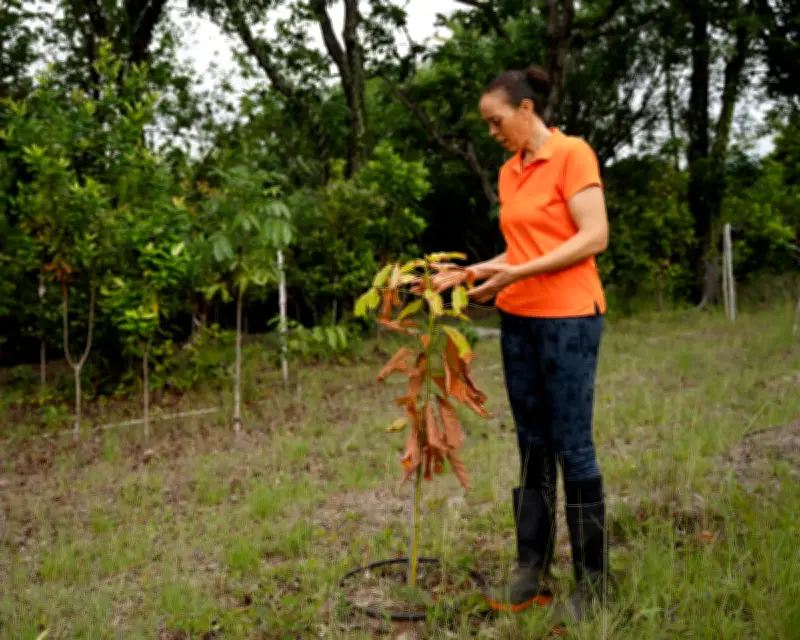
Agriculture, a key sector, has been severely impacted. Farmers report crop failures, particularly for bananas, a major export. The St Lucia Banana Growers Association stated that production has dropped by 25%, threatening livelihoods and food security.

Tourism Sector Under Pressure
Tourism, which accounts for 40% of St Lucia's GDP, is also feeling the strain. Hotels and resorts have been asked to reduce water usage, and some have implemented measures such as limiting pool filling and offering guests water conservation tips. The St Lucia Hotel and Tourism Association warned that prolonged shortages could damage the island's reputation as a luxury destination.
Government Response and Climate Concerns
The government has declared a national water emergency, allocating emergency funds for water trucking and desalination plants. Prime Minister Philip J. Pierre said, "We are facing one of the worst droughts in decades. Climate change is real, and small island states like ours are on the front line." The government is also exploring long-term solutions, including rainwater harvesting and improved water storage infrastructure.
The crisis has sparked broader discussions about climate resilience. St Lucia is part of the Caribbean Community (CARICOM) pushing for more international support for climate adaptation. Scientists attribute the drought to shifting weather patterns linked to global warming, which is causing more frequent and intense dry spells in the region.
Community Impact and Adaptation
Residents in rural areas are most affected, with many relying on rivers and wells that have run dry. The Ministry of Health has warned of increased risks of waterborne diseases as people turn to unsafe sources. Community groups are distributing water purification tablets and educating on conservation.
The crisis underscores the vulnerability of small island developing states (SIDS) to climate change. With limited freshwater resources and high dependence on rainfall, St Lucia's plight is a stark example of the challenges facing many Caribbean nations.