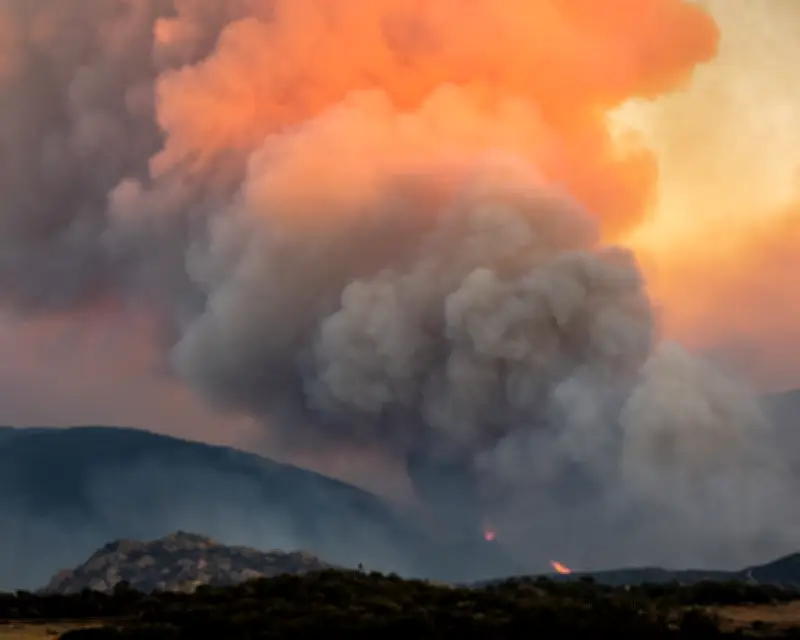
Europe is facing its worst wildfire season on record in 2026, with blazes raging from Portugal to Greece, burning millions of hectares and forcing mass evacuations. The fires have already consumed more than 1.5 million hectares across the continent, surpassing the previous record set in 2023, according to the European Forest Fire Information System (EFFIS).
Unprecedented Scale and Intensity
In Portugal, over 500,000 hectares have burned since June, with temperatures exceeding 45°C in some regions. Spain has reported 400,000 hectares destroyed, while Greece has seen 350,000 hectares go up in flames. The fires have claimed at least 120 lives across the continent, with many more injured or displaced.
"We are witnessing a new reality," said Maria Fernandez, director of the European Climate Adaptation Centre. "Our infrastructure and emergency services are not equipped to handle these extreme events. The failure to adapt is costing lives and billions in damages."

Economic and Environmental Toll
The economic cost of the wildfires is estimated to exceed €20 billion, including damage to property, lost tourism revenue, and firefighting expenses. The European Commission has activated its Civil Protection Mechanism, but resources are stretched thin. In France, where 200,000 hectares have burned, President Emmanuel Macron declared a state of emergency.
Environmental impacts are severe, with carbon emissions from the fires estimated at over 200 million tonnes, exacerbating the climate crisis. Wildlife habitats have been devastated, and air quality has plummeted across the continent, triggering health warnings in major cities.
Policy Failures and Adaptation Gaps
Critics argue that European governments have failed to implement adequate adaptation measures despite years of warnings. "We have known for decades that climate change would increase wildfire risk," said Dr. Hans Müller, a climate policy expert at the University of Berlin. "Yet we have not invested enough in prevention, such as controlled burns, firebreaks, and resilient infrastructure."
European Union officials acknowledge the shortcomings. "The scale of this crisis is a wake-up call," said EU Climate Commissioner Frans Timmermans. "We must accelerate our adaptation efforts and ensure that member states are better prepared."
Looking Ahead
As the wildfire season continues, experts warn that the situation could worsen. Climate models predict more frequent and intense heatwaves and droughts, increasing the likelihood of catastrophic fires. "Adaptation is no longer optional; it is a necessity," Fernandez added. "We need a fundamental shift in how we manage landscapes and respond to emergencies."
The European Commission is expected to propose new funding for wildfire prevention and response in the coming weeks, but many say it is too little, too late. Meanwhile, communities across Europe face an uncertain future as the flames continue to spread.