Heatwaves are becoming an increasingly expected part of summer for many people around the world. However, how individuals stay cool varies significantly from place to place. A new study leverages mobile phone location data to track where people go when temperatures soar, offering insights into how societies need to adapt to live better with the inevitable heatwaves to come.
Heatwave Impact and Social Inequalities
During the summer of 2025, a 10-day extreme heat event across Europe led to 2,300 deaths. Globally, governments are implementing heat action plans, but social inequalities leave some populations more vulnerable to extreme heat than others. Researchers analyzed mobile phone location data from seven countries—Brazil, China, France, India, Nigeria, Turkey, and the United States—to assess how people stayed cool during heatwaves in 2022 and 2023.
Key Findings from the Study
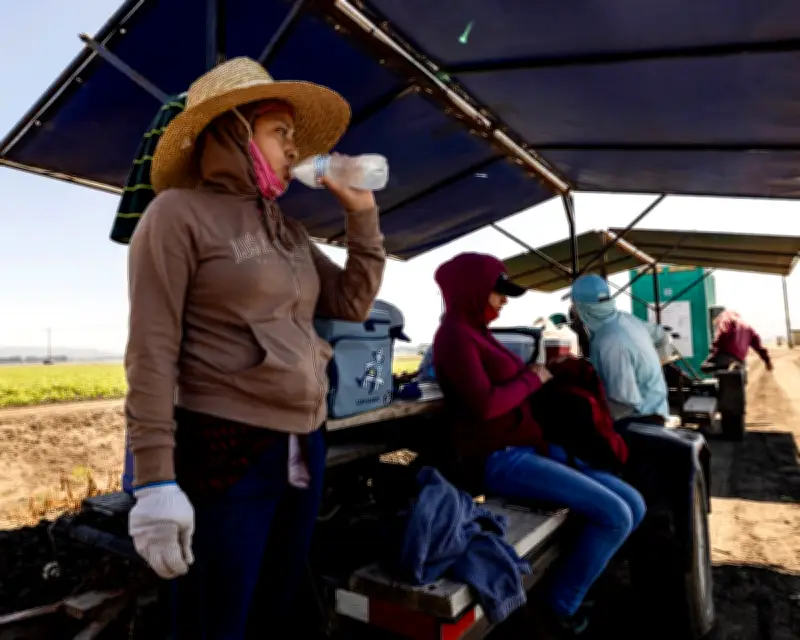
The results, published in Environmental Research Climate, show that people tend to withdraw into their homes during heatwaves. However, places such as shopping malls and parks also became important refuges, particularly for those without air conditioning at home. In Mexico, individuals aged between 18 and 35 were disproportionately likely to die from heat, possibly due to higher levels of outdoor work and limited flexibility over working hours.

Recommendations for Heat Adaptation Plans
The researchers concluded that community cooling centers and flexible working hours are key components that need to be integrated into heat adaptation plans. These measures could help reduce the vulnerability of young outdoor workers and others who lack access to cool environments during extreme heat events.