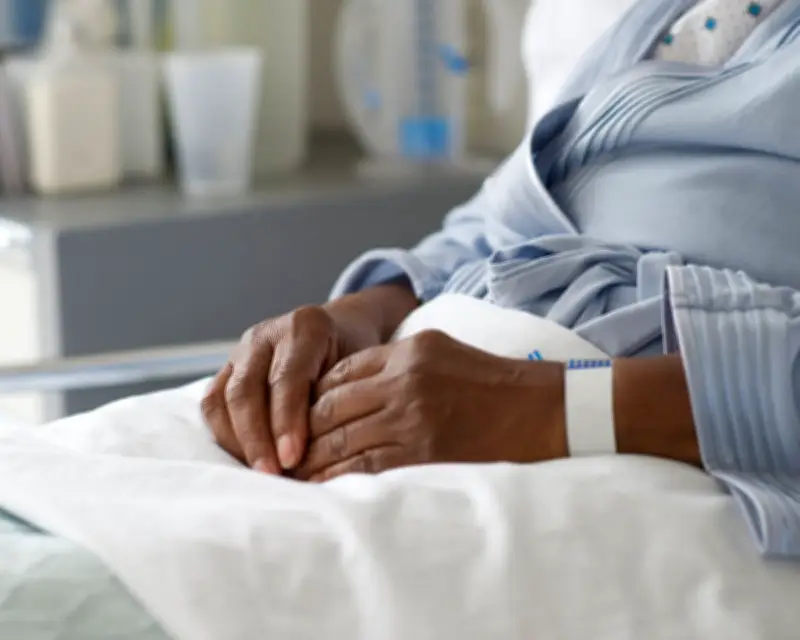
New reporting from the Guardian has shed further light on the 'ethnicity pain gap,' revealing how a patient's skin colour can significantly affect the quality of medical care they receive. The evidence is overwhelming: race and ethnicity are associated with differences in care quality and health outcomes, regardless of whether individual racism is at play.
Maternal Care Disparities
Women from Black and Asian backgrounds are less likely than white women to receive an epidural during childbirth, even when they ask for one. Research indicates that Black women are stereotyped as having 'thick skin' and higher pain tolerance, while Asian women are perceived as 'princesses' who are over-demanding and judged for not tolerating pain. These stereotypes lead to ignored requests for pain relief.
Cancer Treatment Inequities
In cancer care, patients from Black, south Asian, and mixed ethnic backgrounds receive fewer and lower doses of pain-relieving medications compared to white patients, even after controlling for age, cancer type, health condition, deprivation, and other variables. This pattern persists across all areas of healthcare, not just childbirth.

Expert Insights and Solutions
According to Prof Devi Sridhar, chair of global public health at the University of Edinburgh, acknowledging the problem is only the first step. She emphasizes that calling people racist is not effective; instead, evidence-based interventions can make a difference. These include routine collection and transparent sharing of racial disparity data, awareness training for staff to counter unconscious biases, standardized clinical pathways to reduce individual bias, and leadership commitment to prioritize equity.
Data-Driven Accountability
Healthcare organizations routinely monitor waiting times, infection rates, and mortality outcomes. Similarly, racial and ethnic disparity data should be collected and shared transparently, with accountability for what the data reveals. This ensures that what gets measured gets prioritized and improved.
Unconscious Bias Training
Awareness-raising for all staff about unconscious biases can help dispel myths, such as the false beliefs that Black patients have higher pain tolerance or that Asian people have lower tolerance. Training programs in some healthcare settings have already begun to address these misconceptions.
Standardized Clinical Pathways
Whenever possible, medical care should follow standardized clinical pathways that reduce individual bias. Checklists, protocols, and objective criteria for care, such as when a woman can access an epidural during birth, minimize the influence of unconscious or conscious bias at key decision points. While individual judgment remains important, consistent processes can make healthcare fairer for all.
Leadership and Cultural Change
Leadership from the top is crucial in recognizing the ethnicity pain gap and making it a priority. If leaders do not care about an issue, it disappears. Changing the entire culture of an organization to affirm that equity matters and that improvement is a commitment is essential.
Prof Sridhar stresses that none of this is about accusing individual staff of racism. Most healthcare workers genuinely want to provide the best care possible, but data shows clear patterns of racial and ethnic differences in treatment. Acknowledging the evidence is the first step toward collective solutions. As Martin Luther King Jr. dreamed of a world where people are judged by character rather than skin colour, medicine should ensure that all patients receive the same high-quality care regardless of their skin colour. This is not political correctness; it is good healthcare and good practice.