A criminologist has called for an end to what he describes as "Australia's alcohol prohibition moment" following alarming statistics that reveal the scale of the country's booming tobacco black market.
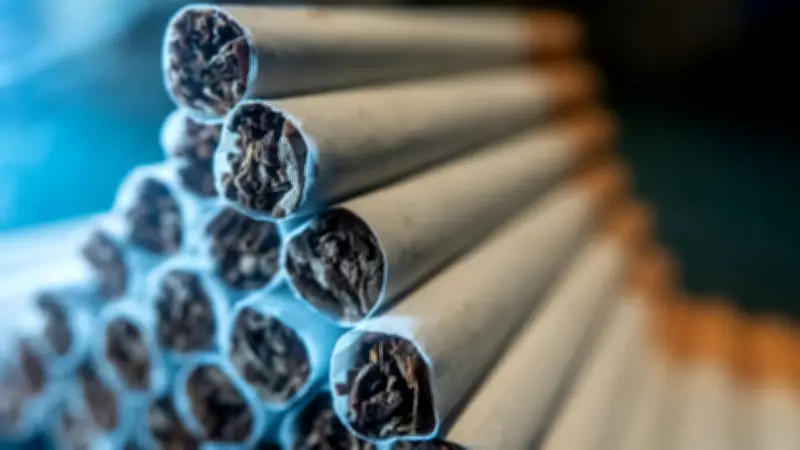
Australian Bureau of Statistics data released this week shows illicit products accounted for 80 per cent of total tobacco consumption in 2025. This marks a dramatic increase from 2017, when the figure was just 12 per cent, placing Australia's illegal tobacco consumption well above that of many other nations.
National nicotine consumption also rose by almost 40 per cent between 2017 and 2025, according to the ABS data.

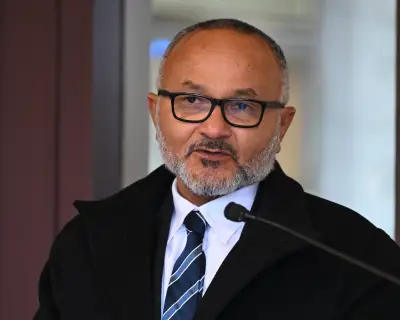
Speaking to Sky News host Caleb Bond on Friday, Deakin University criminologist Dr James Martin explained that from a criminological perspective, Australia's tobacco black market situation was "pretty uncomplicated."
"Black markets form in circumstances where you have very strong, persistent demand, which we clearly do for nicotine," Dr Martin said. "But over the last 10, 15 years or so, we've steadily imposed restrictions that amount to de facto forms of prohibition. And I think that's what we're looking at at the moment. This is Australia's alcohol prohibition moment."
Dr Martin argued that Australia cannot rely solely on policing to address the booming illegal tobacco trade. "It should be very clear to anyone that we cannot police our way out of this problem. That's what the police and law enforcement agencies are saying. That's what the criminological research says," he said. "We really need to increase access to affordable and preferably less harmful forms of nicotine as well."
The ABS's latest illicit tobacco products market share figure far exceeds comparable data from European nations and other countries, including New Zealand. A report by KPMG, commissioned by Philip Morris Products SA, found illicit tobacco consumption accounted for approximately 11.1 per cent of total consumption across 38 European markets in 2025. Illegal tobacco consumption represented at least 20 per cent of total consumption in just seven of those countries, with France having the highest rate at 41 per cent.
Meanwhile, an FTI Consulting report found that 27.2 per cent of total tobacco consumed in New Zealand in 2024 were illegal products.
Labor's own budget has forecast tobacco excise revenue collapsing from $7.767 billion in 2024-25 to just $4.13 billion this financial year, well below the estimated $6.8 billion annual healthcare cost of smoking.