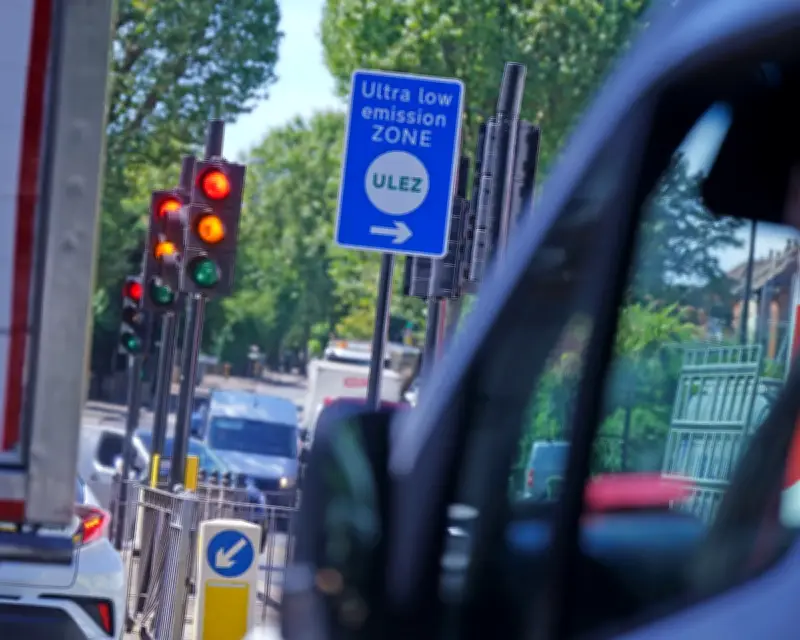
London and New York have emerged as global leaders in the fight against air pollution, achieving dramatic improvements in air quality through bold and innovative policies. In both cities, the cleanup has progressed faster than many experts predicted, resulting in measurable health benefits and serving as a model for urban centers worldwide.
London's Ultra Low Emission Zone
London Mayor Sadiq Khan expanded the Ultra Low Emission Zone (ULEZ) in August 2023 to cover all 32 boroughs, a move that initially faced significant public opposition. The policy charges older, more polluting vehicles a daily fee to enter the zone. According to City Hall data, the expansion has led to a 21% reduction in nitrogen dioxide (NO2) concentrations in outer London within the first six months, while inner London saw a 46% drop since the original ULEZ was introduced in 2019. Khan stated, "The ULEZ is not just about cleaning our air; it's about saving lives and making London a fairer, healthier place to live." The number of compliant vehicles in the capital has risen to over 95%, as residents and businesses upgraded their fleets.
New York's Congestion Pricing
Across the Atlantic, New York City implemented congestion pricing in June 2024, becoming the first major US city to do so. The program charges drivers $15 to enter Manhattan south of 60th Street during peak hours. Early results show a 15% reduction in traffic volume and a 20% drop in NO2 levels in the congestion zone, according to the Metropolitan Transportation Authority. Former Mayor Michael Bloomberg, a longtime advocate for the policy, commented, "Congestion pricing proves that smart policy can cut pollution, reduce traffic, and fund transit all at once." The initiative is expected to generate $1 billion annually for public transit improvements.

Health and Economic Benefits
The improvements have translated into tangible health gains. A study by King's College London estimated that the ULEZ expansion prevented 2,000 premature deaths in its first year. In New York, the New York City Department of Health reported a 12% decrease in asthma-related emergency room visits in the congestion zone within six months. Beyond health, both cities have seen economic benefits: cleaner air reduces healthcare costs and improves worker productivity. Bloomberg noted, "Every dollar spent on clean air returns multiples in saved lives and economic activity."
Lessons for Other Cities
The success of London and New York offers a blueprint for other urban areas struggling with air pollution. Key factors include strong political will, phased implementation, and investment in alternatives like public transit and cycling infrastructure. Khan emphasized, "We've shown that cleaning up our air is not only possible but popular once people see the benefits." As cities from Paris to Mumbai consider similar measures, the experience of these two global capitals provides both inspiration and practical guidance.