The scorching temperatures that made the 1976 UK heatwave a historic event are now becoming the standard summer experience, as climate change reshapes weather patterns, experts have warned. The Met Office confirmed that average summer temperatures in the UK have risen by about 1.5°C since the 1970s, making prolonged periods of extreme heat more frequent and intense.
Comparing Past and Present Heatwaves
During the summer of 1976, the UK endured a 15-day stretch from June 23 to July 7 where temperatures exceeded 32°C in many areas, with a peak of 35.9°C recorded in Cheltenham. That heatwave was considered a once-in-a-century event. However, data from the Met Office shows that similar heat thresholds have been met or surpassed in 2018, 2019, 2020, 2021, and 2022, with 2022 seeing the first ever 40°C reading in the UK.
“What was exceptional in 1976 is now becoming commonplace,” said Dr. Mark McCarthy, head of the Met Office’s National Climate Information Centre. “The climate crisis has shifted the baseline, and we are now seeing multiple heatwaves per decade that would have been almost unimaginable 50 years ago.”

Impact on Health and Infrastructure
The health impacts of extreme heat are becoming a growing concern. The UK Health Security Agency reported that during the 2022 heatwave, there were over 2,800 excess deaths among people aged 65 and older. In 1976, the official death toll was around 1,000, though experts say that number may be an underestimate due to less comprehensive reporting.
“Our infrastructure is not built for these conditions,” said Professor Dame Sally Davies, former chief medical officer for England. “Hospitals, transport systems, and homes designed for a cooler climate are under severe strain when temperatures hit 35°C or more for days on end.”
Water Shortages and Agriculture
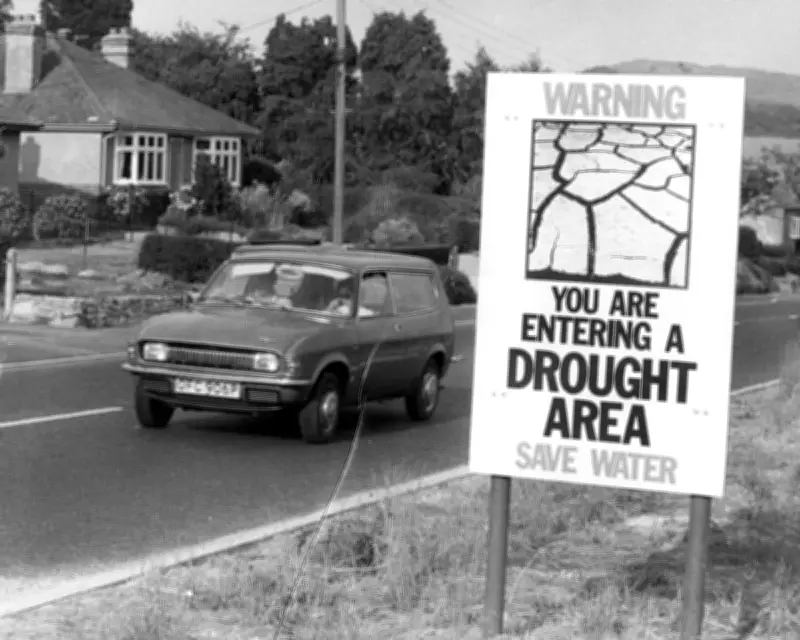
The 1976 heatwave triggered severe drought conditions, leading to water rationing and crop failures. The UK experienced a 16-month period of below-average rainfall from May 1975 to August 1976. Today, similar drought risks are exacerbated by higher evaporation rates due to warmer air. The Environment Agency has warned that without significant investment in water storage and efficiency, the UK could face regular water shortages by 2050.
“Farmers are already adapting, but the pace of change is alarming,” said Minette Batters, president of the National Farmers' Union. “We are seeing harvests disrupted almost every year now, which has direct consequences for food prices and security.”
Government Response and Adaptation
In response to the growing threat, the UK government published its third National Adaptation Programme in 2023, which includes measures to improve heat resilience in buildings, transport, and health services. However, critics argue that the pace of adaptation is too slow. The Climate Change Committee has recommended that the government set legally binding targets for reducing heat-related deaths and increasing green spaces in urban areas.
“We are in a race against time,” said Baroness Brown, chair of the Climate Change Committee’s Adaptation Committee. “The new normal demands a fundamental rethink of how we design our cities and manage our resources.”
Public Awareness and Behavioral Change
Public awareness of heat risks has increased, but behavioral change remains a challenge. A 2023 survey by the UK Health Security Agency found that only 30% of people over 65 knew the signs of heat exhaustion, and fewer than half had a plan for keeping cool during a heatwave. Campaigns are now targeting vulnerable groups, including the elderly and those with chronic health conditions, to encourage measures such as staying hydrated, using fans, and checking on neighbors.
“The memory of 1976 is fading, but the lessons are more relevant than ever,” said Dr. McCarthy. “We need to treat extreme heat with the same seriousness as flooding or storms.”

Looking Ahead
Climate models project that by 2050, the UK could experience summers where temperatures of 35°C are routine, and 40°C events occur every few years. The Met Office’s UK Climate Projections 2018 suggest that the chance of a summer as hot as 2018 (which was the joint hottest on record with 1976) could be as high as 50% by 2050. “The 1976 heatwave was a wake-up call,” said Professor Peter Stott, a climate scientist at the Met Office. “Now we are living in the reality it foretold.”