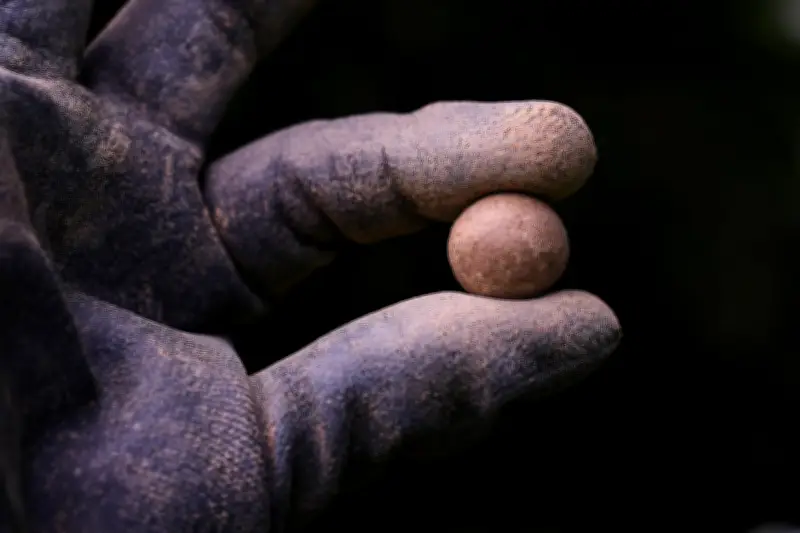
Archaeologists have unearthed a trove of artifacts at the historic Bunker Hill battlefield in Charlestown, Massachusetts, shedding new light on the pivotal 1775 engagement of the American Revolutionary War. The discovery, announced by the National Park Service, includes musket balls, uniform buttons, pipe stems, and fragments of pottery, all buried for centuries beneath soil and grass.
Details of the Discovery
The excavation, conducted over the past month, focused on areas near the iconic Bunker Hill Monument. Using metal detectors and ground-penetrating radar, researchers identified spots where colonial and British forces clashed. Among the finds were dozens of lead musket balls, some deformed from impact, indicating intense firefights. Uniform buttons bearing insignia of British regiments were also recovered, offering clues about troop movements.
“These artifacts are like a time capsule,” said Dr. Sarah Jenkins, lead archaeologist for the project. “They tell us not just about the battle, but about the soldiers who fought and died here.”

Historical Context
The Battle of Bunker Hill, fought on June 17, 1775, was one of the early major conflicts of the American Revolution. Though the British ultimately claimed victory, they suffered heavy casualties, bolstering American morale. The site has been a national historic landmark since 1961, but this is the first large-scale archaeological dig in decades.
Significance of the Finds
Experts say the artifacts provide tangible evidence of the battle’s intensity. The musket balls, for instance, can be analyzed to determine the types of firearms used and the direction of fire. Buttons help identify specific regiments, such as the British 5th and 38th Foot, which historical records list as participants. Pipe stems and pottery fragments suggest the presence of camp followers or local civilians.
“This is a significant contribution to our understanding of the battle,” said historian Mark Thompson of Boston University. “It confirms some details from written accounts and adds new layers to the story.”
Preservation and Public Display
The National Park Service plans to conserve the artifacts and eventually display them at the Bunker Hill Museum. Some items may be loaned to other institutions for research. The excavation site has been backfilled to protect remaining deposits, but further digs are possible in the future.
“We’re committed to preserving this hallowed ground,” said Park Superintendent Lisa Reynolds. “These finds remind us of the sacrifices made for American independence.”