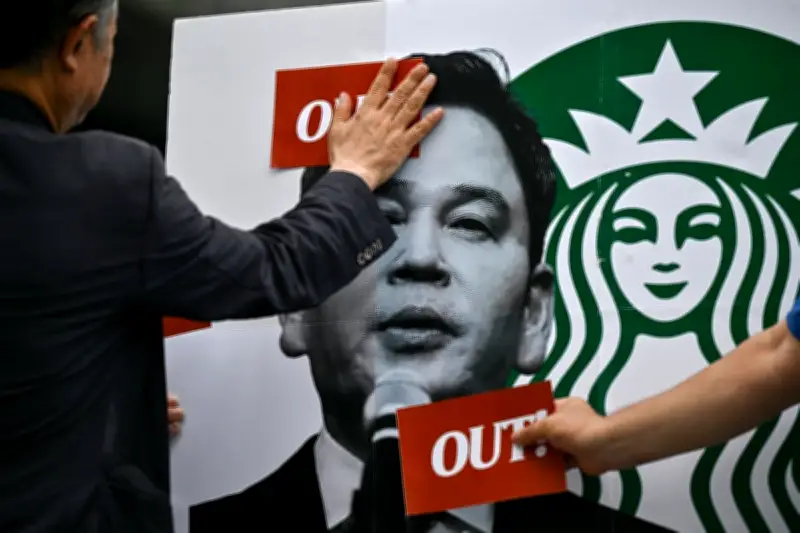
A marketing campaign by Starbucks in South Korea has spiraled into widespread boycotts, a police investigation, and a political crisis after it evoked the memory of a 1980 pro-democracy massacre. The promotion, called "Tank Day," was launched on May 18, the anniversary of the Gwangju Uprising, and featured imagery and slogans that many found offensive.
How the Controversy Unfolded
Starbucks Korea introduced its new "Tank" series tumblers on May 18, with the slogan "thwack on the desk." The date marks the beginning of a 10-day crackdown in 1980 when paratroopers crushed pro-democracy protests in Gwangju, resulting in hundreds of deaths. The slogan also echoed a notorious police cover-up story from 1987 regarding the torture death of student activist Park Jong-chol.
Within hours, social media erupted with anger. Customers smashed Starbucks tumblers and mugs, deleted loyalty apps, and demanded refunds from prepaid cards worth an estimated 400 billion won ($260 million). Protests were held outside stores across the country.

Corporate Response and Fallout
Starbucks Korea CEO Son Jeong-hyun was fired on the same day the campaign launched. Shinsegae Group chairman Chung Yong-jin issued two apologies, including a televised press conference where he bowed three times. Despite this, bereaved families and civic groups rejected the apologies, and police booked Chung and Son as criminal suspects for insulting the memory of victims.
Government agencies cut ties with Starbucks, and the defense ministry suspended a partnership. Political leaders, including Democratic Party leader Jung Chung-rae, demanded stronger atonement. President Lee Jae Myung condemned those responsible as "low-class peddlers" and raised the possibility of shutting down the far-right online community Ilbe, where mocking of Gwangju victims is common.
Broader Implications
The controversy has reignited debates about South Korea's authoritarian past, especially after the failed martial law declaration by former President Yoon Suk Yeol in 2024. Political scientist Cho Youngho noted that the public reaction reflects deeper societal divisions and expectations for corporations to respect human dignity and social norms.
Starbucks Corporation, based in Seattle, issued a statement apologizing for the incident, calling it "unacceptable" and promising to review internal standards. However, the boycott shows no signs of abating, with card payment volumes at Starbucks stores dropping 26% in a week.