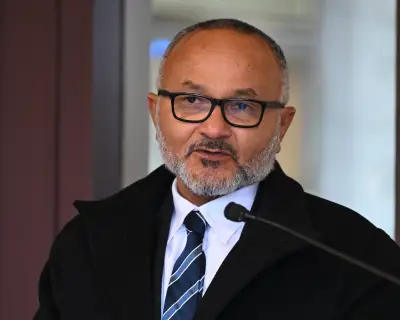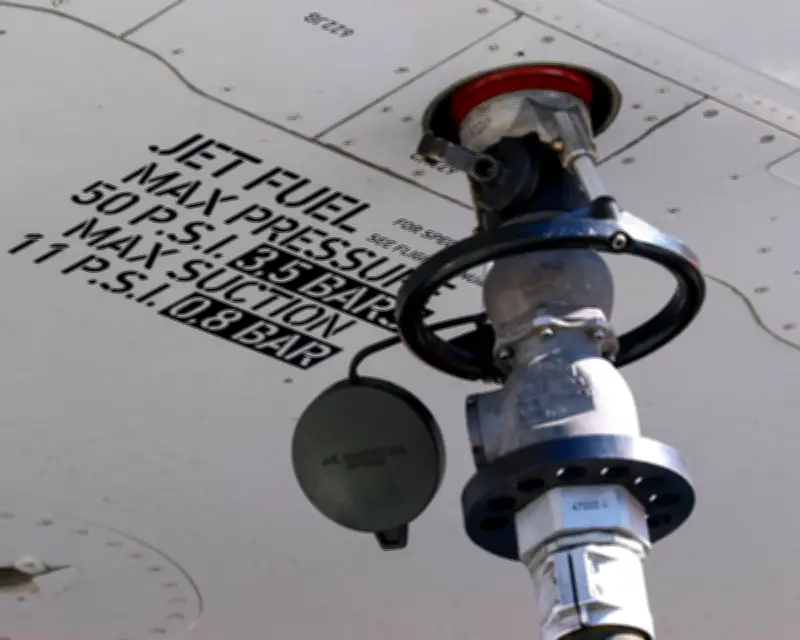
The European Union's transport commissioner has moved to calm fears of a jet fuel shortage in Europe, despite ongoing tensions in the Middle East that have sent prices soaring. Speaking to Reuters, Apostolos Tzitzikostas stated that there are currently no signs of a shortage in the coming months, even as the Strait of Hormuz remains effectively closed.
“There is currently no jet fuel shortage in Europe. We have no signs that we will have a shortage in the coming period,” Tzitzikostas said. He attributed the situation to demand destruction caused by high prices, noting that airlines have been cutting uneconomic routes. “This is why we see that some airlines are choosing to cancel some of their routes that didn’t make any economic sense.” In May, airlines cut two million seats from their schedules, representing less than 2% of global aviation capacity.
Rising Costs and Ticket Prices
The high cost of jet fuel has prompted carriers like British Airways to raise fares. The airline recently announced it would increase ticket prices to offset a £1.7 billion fuel cost hit. This move is part of a broader trend among airlines to pass on higher costs to consumers while also dampening demand.

Despite these challenges, Tzitzikostas stressed that Europe is prepared for the short term. “We have the emergency stocks in our member states,” he said, adding that for now, there is a degree of stability. However, he warned that the situation could become “very difficult” by the end of the year if Middle Eastern supplies remain disrupted. “It’s critical that the war stops and that the Strait of Hormuz opens and this needs to happen as soon as possible.”
Earlier Warnings and Current Reality
In April, the head of the International Energy Agency warned that Europe had only six weeks of jet fuel left before shortages would hit. Seven weeks on, flights continue, but the industry is feeling the strain. Airlines have been raising ticket prices not only to cover fuel costs but also to manage demand, a classic example of demand destruction in action.
The European Commission remains vigilant, with member states holding emergency stocks. Yet the longer-term outlook hinges on geopolitical developments. The closure of the Strait of Hormuz, a key chokepoint for global oil shipments, has been a major factor in the price surge. Without progress on reopening the strait, the risk of shortages later in the year remains.
Today's agenda includes the Halifax UK house price index for May, the UN's FAO Food Price Index, and the US non-farm payroll jobs report for May. Markets will be watching closely for signs of how the global economy is navigating these turbulent times.