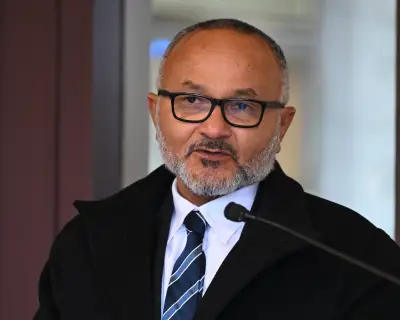
Abraham Jiménez Enoa, a Cuban writer and journalist now based in Barcelona, Spain, has shared a harrowing account of his life as an independent journalist in Cuba, detailing the founding of the magazine El Estornudo, his detention and interrogation by state security, and his eventual exile. This essay, originally published in the Dial under the title 'The Sneeze' and translated by Lily Meyer, offers a profound insight into the challenges faced by journalists in a repressive regime.
The Birth of El Estornudo
In mid-2014, Jiménez Enoa and his friend Carlos Manuel Álvarez, working at OnCuba magazine in Havana, dreamed of creating an independent media outlet focused on investigative journalism and longform features. They envisioned a magazine that would mix reportage, essay, and criticism to unravel the complexities of contemporary Cuban life. After leaving OnCuba due to editorial clashes, the group decided to launch their own publication. Inspired by a street vendor’s cry of 'Sneeze,' they named their magazine El Estornudo, symbolizing a necessary, unavoidable reaction to the state-controlled narrative.
Launch and Early Success
El Estornudo launched on March 14, 2016, coinciding with the anniversary of José Martí's founding of the newspaper Patria. The timing was fortuitous: Cuba and the US had reestablished diplomatic relations, drawing international media attention. The magazine gained traction, with outlets like the BBC, Al Jazeera, and Vice republishing its content. Despite sporadic income, the team persevered, relying on public wifi hotspots and internet dealers who provided cheaper access. Jiménez Enoa often worked from a park, using a metal bench or the ground as his desk.

Rising Tensions with the State
As El Estornudo gained influence, the Cuban government began to take notice. The magazine's detailed reporting on the new internet-driven society agitated the regime, which blocked the website inside Cuba. Readers had to use VPNs to access the content. Undeterred, the journalists continued their work, focusing on stories that challenged the official narrative.
Detention and Interrogation
In 2017, while covering the World Series featuring Cuban players Yulieski Gurriel and Yasiel Puig, Jiménez Enoa was summoned by Major Roberto Carlos of the Ministry of the Interior. He was taken to a police station, where he endured 11 hours of threats, blackmail, and interrogation. The major warned him that continuing to write would lead to prosecution and incarceration. The experience left Jiménez Enoa paranoid and isolated, changing his behavior drastically. He began avoiding family, friends, and colleagues, and adopted a lone-wolf approach to protect himself.
Escalation and Exile
By 2018, most of the magazine's founders had emigrated, leaving only Jiménez Enoa and Maykel González Vivero. The government intensified its repression, cutting off his internet, phone, and landline, and placing him under house arrest. In 2020, after becoming a columnist for the Washington Post, Jiménez Enoa was subjected to a humiliating strip search and interrogated at Villa Marista, the notorious state security headquarters. He was accused of being a US asset and forced to sign a statement vowing not to write for the Post again. He refused and later wrote a column describing his ordeal.
Public Condemnation
State security broadcast a clandestine recording of his interrogation on national television, branding him a CIA agent. This public shaming put his sources, family, and friends at risk, effectively condemning him to civic death. Jiménez Enoa was forced to leave Cuba and now lives in exile in Spain.
This essay is an edited excerpt from his book 'Aterrizar en el mundo' (Landing in the World), published in Spanish by Libros del KO. It serves as a stark reminder of the dangers faced by journalists who dare to challenge authoritarian regimes.