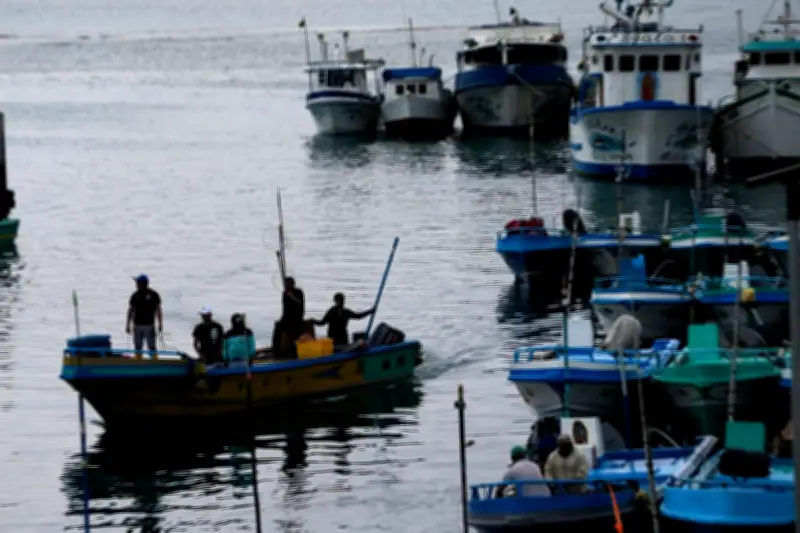
The United States military has conducted strikes against several fishing vessels operating under the Ecuadorian flag in international waters, according to reports from multiple sources. The action, which took place near the Galapagos Islands, targeted boats allegedly involved in illegal, unreported, and unregulated (IUU) fishing.
Details of the operation
US naval forces intercepted and engaged the vessels after they ignored repeated warnings to stop and submit to inspection. The operation, carried out under the auspices of combating IUU fishing, led to the sinking of at least three ships. No immediate casualties were reported, but the incident has sparked a diplomatic row between Washington and Quito.
Ecuador's response
The Ecuadorian government issued a formal protest, demanding an explanation and compensation for the lost vessels. President Guillermo Lasso condemned the strikes as a violation of international law and Ecuador's sovereignty. Foreign Minister Juan Carlos Holguin stated that the boats were operating legally and that the US had overstepped its authority.

US justification
US officials countered, claiming the boats were known to be involved in illegal fishing and had been tracked for months. They cited intelligence indicating the vessels were stripping the waters of marine life, harming the fragile ecosystem around the Galapagos. The US Southern Command released a statement saying the action was necessary to protect regional fisheries and uphold maritime law.
Broader implications
The strikes highlight growing tensions over fishing rights and maritime security in the Pacific. Environmental groups have praised the US for taking a stand against illegal fishing, while critics warn of setting a dangerous precedent for unilateral military action. The incident also raises questions about the enforcement of international maritime regulations and the role of navies in policing the high seas.
Analysts suggest this could lead to increased patrols and confrontations in the region, as nations grapple with overfishing and dwindling fish stocks. The UN Food and Agriculture Organization has called for calm and dialogue, urging both countries to resolve the dispute through diplomatic channels.