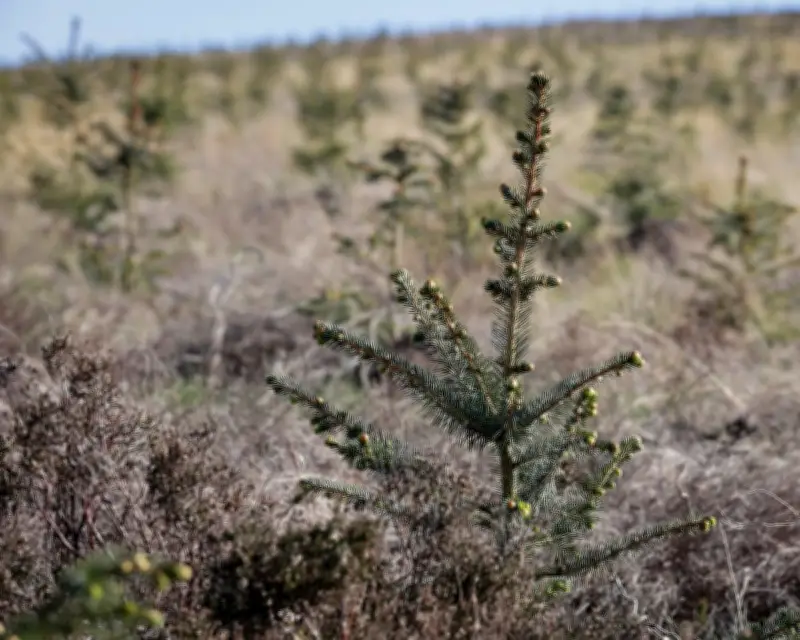
On the English-Scottish border, a small butterfly species, the northern brown argus, has halted plans by one of the UK's biggest investors to turn Todrig into a commercial forest. The site, spanning 560 football pitches, was purchased by Gresham House in 2022 for £12 million—six times its value three years prior. Despite the butterfly's "vulnerable" status blocking the plan for now, the investor aims to proceed with a tree farm, highlighting a growing trend where wealthy families use woodland to save millions in inheritance tax.
Lucrative Business of Tax-Break Trees
Commercial forests qualify for business property relief after just two years, allowing investors to avoid income, corporation, and capital gains taxes on timber. This makes woodland a popular estate planning tool. Anton Baskerville of Woodlands.co.uk notes that interest spikes whenever tax rules change. For example, a couple owning £100 million in woodland could pass £5 million tax-free, with the remainder taxed at half the normal rate.
Environmental Impact and Local Opposition
Campaigners warn that converting natural grasslands and heathlands into monoculture tree farms harms biodiversity. At Stobo Hope, a nearby site, a "forestry carbon sequestration fund" managed by True North Real Asset Partners has already cleared and planted Sitka spruce, which the company claims captures carbon faster than native trees. However, locals like Camilla Fowler argue that such forestry scars the landscape and replaces it with dark, biodiversity-poor plantations.

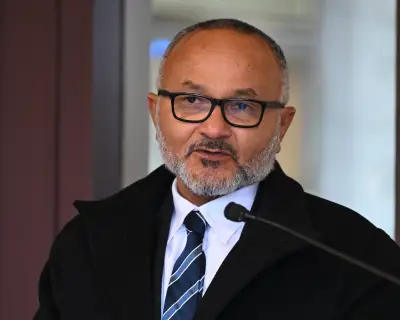
David Lintott, a barrister leading legal challenges, emphasizes the difference between Sitka spruce and native habitats like meadows and calcareous grasslands. The butterfly conservation charity Butterfly Conservation notes that inflated land prices—driven by grants and carbon credits—force farmers to sell, even if they prefer regenerative agriculture.
Super-Rich Backers and Land Ownership
Gresham House, a specialist in natural capital, has become one of Scotland's largest private landowners, controlling about 73,000 hectares. Its Forestry Partnership fund, with net assets of £162 million, includes investors like the late Lord Rothschild, Jeremy Darroch, and the Marquess of Linlithgow. While the company denies being the largest landowner, campaigners criticize the lack of accountability and transparency.
Other wealthy investors include Guy Hands and Julia Hands, who sold Griffin Forestry Estate for £145 million in 2024. Danish billionaire Anders Povlsen, Scotland's biggest private landowner, runs a rewilding project unlikely to qualify for tax reliefs.
Does Money Grow on Trees?
Despite soaring woodland valuations—doubling over the past decade—locals question the real worth. Fowler notes that no farmer would pay £12 million for Todrig. The illiquid nature of forestry investments makes accurate valuations difficult. Gresham House admits its funds are "difficult to establish an accurate value" for.
A spokesperson for Gresham House says most investors are institutional and not focused on inheritance tax benefits. They emphasize that Todrig is designed as a high-quality woodland project with ecological surveys, retention of 40% open ground, and public consultation. However, critics remain skeptical, warning that once trees are planted, species-rich grasslands are lost for centuries.