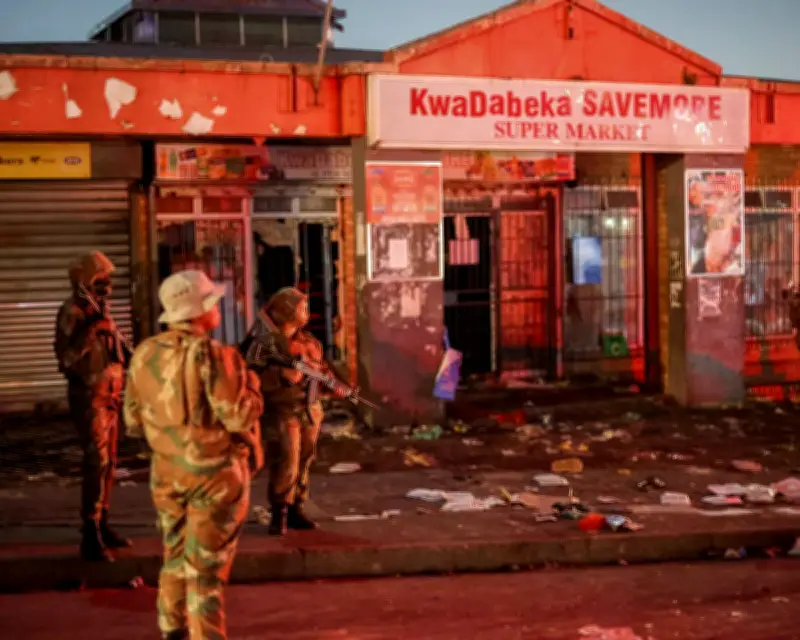
South Africa, long celebrated as a symbol of liberal progress and post-apartheid reconciliation, is now grappling with a surge of anti-immigrant protests. These demonstrations, which have erupted in several cities, reflect growing frustrations over economic inequality, high unemployment, and strained public services. The shift from a nation that once embraced the concept of the "Rainbow Nation" to one where xenophobia is on the rise marks a significant and troubling transformation.
Roots of the Protests
The protests are fueled by a combination of factors, including high unemployment rates, which stand at over 32%, and a perception among some South Africans that immigrants are taking jobs and straining resources. According to a recent survey by the Human Sciences Research Council, nearly 60% of South Africans believe that immigrants are a burden on the economy. This sentiment has been exploited by some political leaders and community groups, leading to violent clashes and the displacement of foreign nationals.
Historical Context
South Africa's post-apartheid constitution is one of the most progressive in the world, enshrining rights for all people regardless of nationality. However, the reality on the ground is starkly different. The country's transition to democracy in 1994 promised a better life for all, but decades of economic stagnation and corruption have left many feeling left behind. The anti-immigrant protests are a symptom of deeper societal issues, including a lack of trust in government and a sense of hopelessness among the youth.

Impact on Communities
The protests have had a devastating impact on immigrant communities, particularly those from other African countries. Shops owned by foreign nationals have been looted, and homes have been destroyed. In some cases, immigrants have been forced to flee their neighborhoods. The violence has drawn condemnation from human rights organizations and the African Union, but the government has struggled to respond effectively. President Cyril Ramaphosa has called for calm and urged South Africans to reject xenophobia, but his calls have done little to quell the unrest.
Economic Underpinnings
Economic factors are at the heart of the unrest. South Africa has one of the highest unemployment rates in the world, with youth unemployment exceeding 60%. The COVID-19 pandemic exacerbated these issues, leading to a sharp contraction in the economy and a rise in poverty. Many South Africans blame immigrants for their economic woes, despite evidence that immigrants often contribute positively to the economy. A study by the World Bank found that immigrants in South Africa are more likely to be entrepreneurs and create jobs than native-born citizens.
Political Rhetoric
Political rhetoric has played a significant role in fueling the protests. Some politicians have used anti-immigrant sentiment to gain popularity, making claims that immigrants are responsible for crime and unemployment. This rhetoric has been amplified on social media, leading to the spread of misinformation and hate speech. The government has been criticized for not doing enough to counter these narratives and for failing to address the root causes of the unrest.
Way Forward
Addressing the anti-immigrant protests will require a multifaceted approach. The government must tackle the underlying economic issues, including unemployment and inequality, while also promoting social cohesion. There is a need for stronger law enforcement to protect immigrant communities and for educational campaigns to counter xenophobia. South Africa's future as a symbol of progress depends on its ability to live up to its constitutional ideals and embrace diversity.