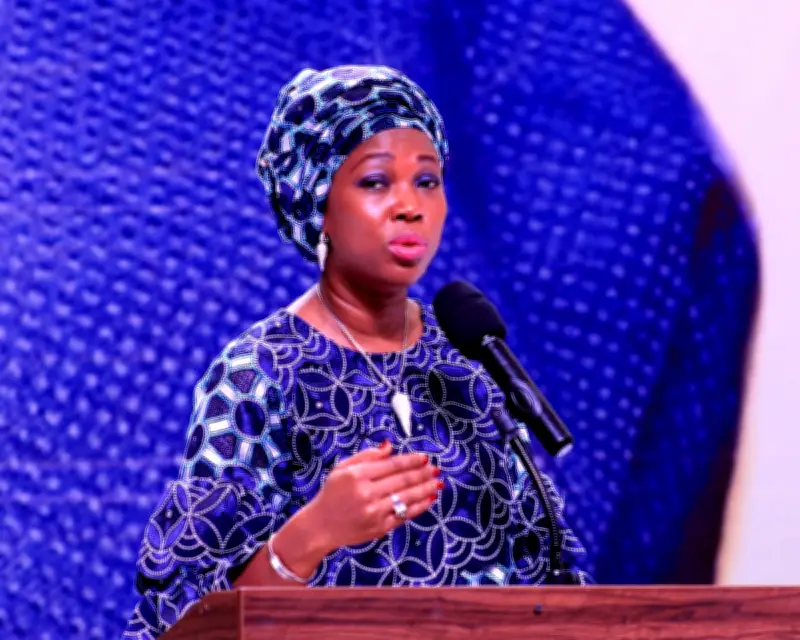
Sierra Leone's first lady, Fatima Bio, has declined to condemn female genital mutilation (FGM), stating that there is insufficient reliable data on its harms. Her comments have ignited a heated debate in the West African nation, where FGM remains widespread despite international condemnation.
First Lady's Stance on FGM
During a press conference in Freetown, Bio emphasized the need for more comprehensive research before taking a definitive stance. "We cannot make decisions based on emotions or external pressures. We need reliable data to understand the true impact of FGM on our communities," she said. Her position has drawn criticism from human rights groups, who argue that the practice causes severe physical and psychological harm.
Context of FGM in Sierra Leone
FGM is deeply entrenched in Sierra Leonean culture, particularly among the Temne and Mende ethnic groups. According to UNICEF, over 80% of women aged 15-49 in Sierra Leone have undergone some form of FGM. The practice is often performed as part of initiation rites into secret societies, such as the Bondo society for women.

Government Policy and Legal Framework
Despite international treaties and domestic laws, FGM remains legal in Sierra Leone. President Julius Maada Bio, the first lady's husband, has previously expressed support for ending the practice but has faced challenges in implementing change due to cultural sensitivities. The government has initiated awareness campaigns but has not passed legislation criminalizing FGM.
Reactions from Advocacy Groups
Human rights organizations have expressed disappointment with the first lady's remarks. "FGM is a violation of human rights. The evidence of its harms is overwhelming," said a spokesperson for Amnesty International. Local activists argue that the first lady's stance undermines years of advocacy work and could slow progress toward eradication.
Call for More Research
Some community leaders have supported the call for more data. "We need to understand why families continue to practice FGM and what the real health outcomes are," said a local chief. Researchers have noted that while many studies document FGM's harms, there is a lack of comprehensive data on its prevalence and effects in Sierra Leone.
The debate highlights the tension between cultural practices and human rights, as well as the challenges of effecting change in deeply traditional societies. The first lady's position may influence future policy discussions, but it remains to be seen whether it will lead to more research or further entrench the practice.