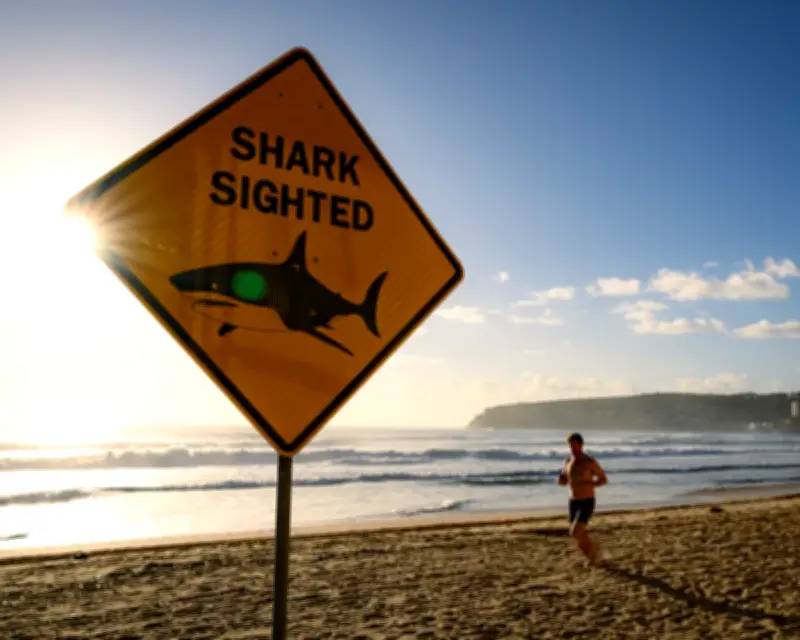
Shark bites are traumatic events that can spark fear and anger alongside tragedy. Globally, the trend is flat, with 65 unprovoked incidents last year and a 10-year average of 72 bites. However, in Australia, shark bites are rising: from 12 bites per year in the 2000s to 21 per year this decade. Sydney's famous beaches have experienced a spate of serious and deadly bites, including a recent suspected white shark attack that led to life-changing injuries for a 34-year-old woman.
Reasons Behind the Increase
Rob Harcourt, leader of the marine predator research group at Macquarie University, says there is no definitive answer, but several factors are clear. Australia's population has grown by 7 million in 20 years, leading to more people in the water. Warming waters are changing shark behavior, with tiger and bull sharks staying longer in the Sydney area each year. Additionally, increasing humpback whale populations, which migrate along Australia's east coast, provide a food source for large sharks, potentially altering their movements.
Some experts believe sharks sometimes mistake humans for seals, whose numbers are also recovering. Others suggest bites may be exploratory or defensive. Despite claims by former Prime Minister Tony Abbott of an "explosion" in shark numbers, there is no evidence to support this; experts note little change in shark catches in nets.

Shark Management and Mitigation
Australian states have broadly similar shark-management plans. Volunteer surf lifesavers use drones to monitor for sharks, and alerts are issued if tagged sharks are nearby. Some beaches employ nets to keep sharks out, but these are controversial—many experts say they are ineffective and trap other marine species. Baited drum lines to catch large sharks also face criticism for bycatch and questionable effectiveness.
Despite these measures, the risk of a shark bite remains incredibly small. In Australia, there were five shark bite deaths last year compared to 82 drownings at beaches. Humans naturally fear things they cannot control, leading to a disproportionate fear of sharks.
No Clear Answers
Reporting on shark bites is challenging due to the traumatic nature of the events. The question of why bites are rising in Australia lacks a clear answer, and experts suggest there may never be one. As Harcourt notes, "Population growth is likely a factor," but definitive data on water usage in shark habitats is lacking. The interplay of environmental changes and human behavior continues to complicate the picture.