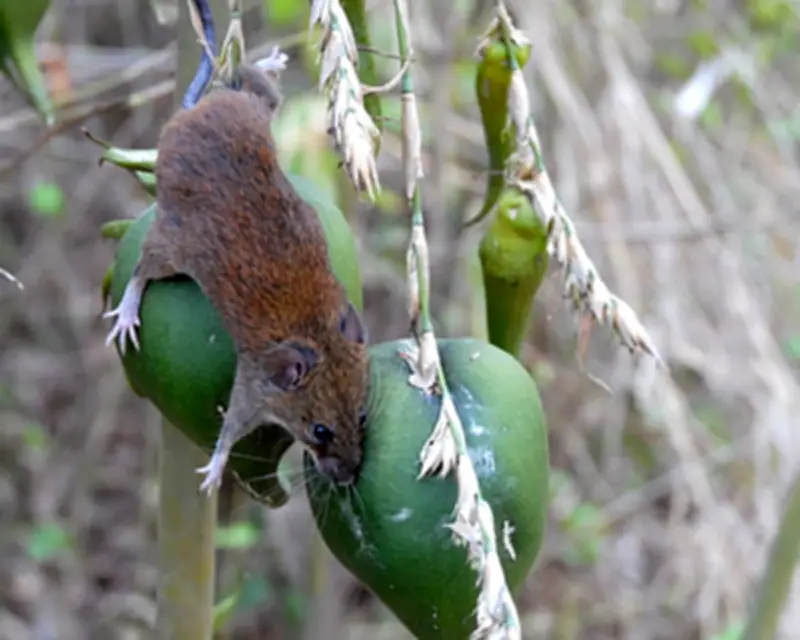
A rare and dramatic ecological event is unfolding in the northeastern Indian state of Mizoram, where a massive flowering of bamboo has triggered an explosion in the rat population, raising fears of a devastating famine. The phenomenon, known locally as 'mautam' or 'bamboo death,' occurs once every 48 to 50 years when bamboo plants flower simultaneously, produce seeds, and then die.
What Happened: The Bamboo Flowering
The current flowering event began in late 2025 and has affected vast swathes of bamboo forests across Mizoram. The bamboo species Melocanna baccifera, which covers about 60% of the state's forest area, has flowered and set seed. This mass seeding provides an abundant food source for the region's black rat population, causing their numbers to skyrocket.
Details: Rat Population Explosion
According to local officials, the rat population has increased by an estimated 200-300% in affected areas. The rats, after consuming the bamboo seeds, have turned to agricultural crops, devastating fields of rice, maize, and vegetables. The Mizoram government has reported that over 10,000 hectares of farmland have been damaged so far, with some districts losing up to 70% of their standing crops.

Villagers describe scenes of rats swarming fields day and night. 'We have never seen anything like this. The rats come in waves and eat everything in sight,' said Lalthanmawia, a farmer from the Champhai district. The state's agriculture department has distributed rat poison and traps, but the scale of the infestation has overwhelmed local resources.
Impact: Famine Fears and Government Response
The crop destruction has sparked fears of a famine similar to the one that occurred during the last bamboo flowering in 2006-2008, when an estimated 1,000 people died from starvation and related diseases in Mizoram and neighboring states. The current situation is being closely monitored by the Indian government, which has dispatched food aid and emergency teams to the region.
Mizoram's Chief Minister, Lalduhoma, has called for urgent central government assistance. 'We are facing a crisis of unprecedented proportions. The rat population is out of control, and our farmers are losing their livelihoods. We need immediate support to prevent a humanitarian disaster,' he said in a statement. The state has requested 50,000 tonnes of rice and other essential supplies from the central government.
Broader Ecological and Historical Context
The bamboo flowering cycle is a natural phenomenon unique to certain bamboo species, and its impact on rodent populations has been documented for centuries. Historical records from the 19th century describe similar events in Mizoram and neighboring Myanmar. The current flowering event is expected to continue through 2027, with the rat population likely to remain high for another year before declining as food sources dwindle.
Ecologists warn that the aftermath of the flowering could lead to long-term soil degradation and loss of biodiversity, as the dead bamboo stands leave large areas vulnerable to erosion. The Mizoram government has initiated a reforestation program, but the immediate focus remains on controlling the rat infestation and ensuring food security for the state's 1.2 million residents.