Qatar has declared Iran "fully responsible" after two oil tankers were struck in the Strait of Hormuz on Tuesday, an attack that threatens to further destabilize the volatile region. The incident, which occurred in one of the world's most critical maritime chokepoints, has drawn sharp condemnation from Doha and raised fears of a broader confrontation.
Details of the Attack
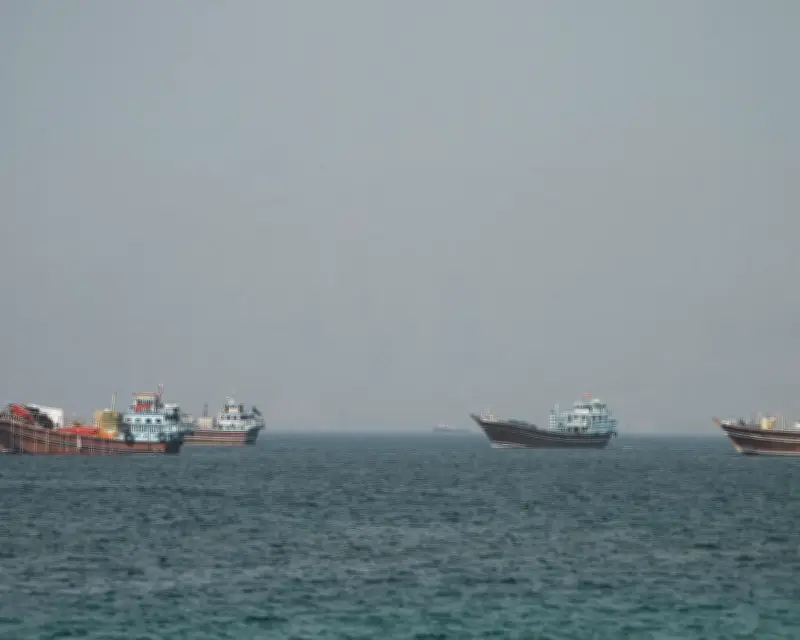
The two tankers, both flagged to Qatar, were hit by unidentified projectiles while transiting the strait. According to Qatari officials, the vessels sustained damage but remained afloat. No casualties have been reported, and the crew members were evacuated safely. The cause of the strikes is under investigation, but initial assessments point to Iranian involvement.
Qatar's Foreign Ministry issued a statement saying, "The State of Qatar holds Iran fully responsible for this dangerous escalation. Such acts threaten maritime security and international peace." The ministry called for an immediate investigation and urged the international community to take a firm stance against Iran.

Regional and Global Implications
The Strait of Hormuz is a vital waterway through which about 20% of the world's oil passes. Any disruption to shipping there can have severe consequences for global energy markets. Following the attack, oil prices surged by more than 3% in early trading, reflecting fears of supply constraints.
Analysts warn that this incident could lead to a military escalation. Iran has previously threatened to close the strait in response to sanctions. The United States, which has a naval presence in the region, called for restraint but reaffirmed its commitment to freedom of navigation. A US Navy spokesperson said, "We are monitoring the situation closely and are ready to assist our allies."
Qatar's Stance and Diplomatic Efforts
Qatar, a major liquefied natural gas exporter, relies heavily on the strait for its energy shipments. The country has been mediating regional disputes but now finds itself directly targeted. Doha has called for an emergency meeting of the United Nations Security Council to address the attack.
Iran has denied any involvement, with its Foreign Ministry spokesperson calling the allegations "baseless and provocative." Tehran accused Qatar of being influenced by external powers. However, Qatar's Foreign Minister, in a press conference, reiterated, "The evidence is clear. Iran must be held accountable."
Impact on Energy Markets
The attack has already affected oil and gas prices. Brent crude rose to $82 per barrel, the highest in weeks. Shipping companies are considering rerouting vessels, which could increase costs and transit times. The incident also highlights the vulnerability of energy infrastructure in the region.
Experts say that if similar attacks continue, insurance premiums for tankers passing through the strait could skyrocket. This would further strain global supply chains already disrupted by geopolitical tensions.
International Reactions
The United Nations Secretary-General expressed deep concern and called for de-escalation. The European Union urged all parties to exercise restraint. Saudi Arabia and the United Arab Emirates, both rivals of Iran, expressed solidarity with Qatar. Meanwhile, Russia called for a thorough investigation without pre-judging the outcome.
The attack comes amid ongoing nuclear talks between Iran and world powers. Some analysts believe the incident could derail diplomatic efforts. A senior diplomat from a Gulf state commented, "This is a deliberate provocation. It undermines any trust in Iran's willingness to engage constructively."
Conclusion
The Strait of Hormuz incident marks a serious escalation in Gulf tensions. Qatar's firm stance against Iran sets the stage for potential diplomatic and economic repercussions. The international community now faces the challenge of ensuring maritime security while preventing a wider conflict.