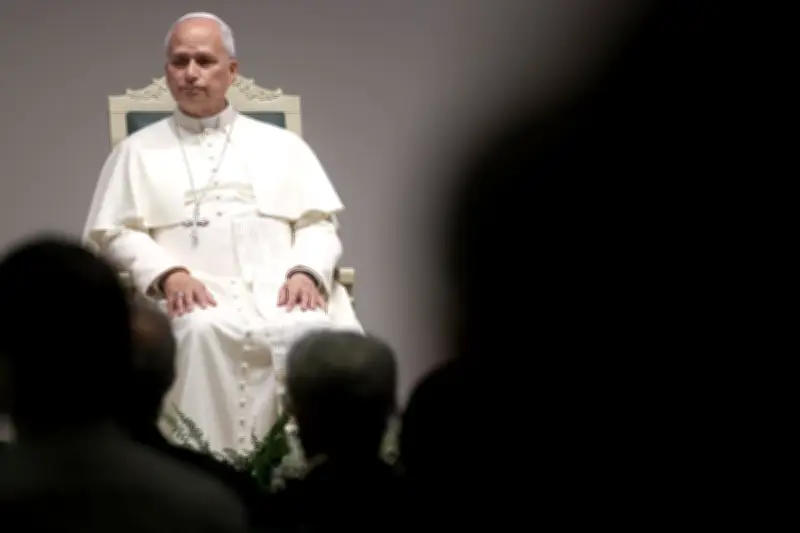
Pope Leo's ambitious reform agenda has encountered stiff resistance from a faction of far-right bishops within the Catholic Church, escalating into a public confrontation that risks deepening divisions. The pontiff's push for greater inclusivity, environmental action, and decentralised governance has drawn sharp criticism from traditionalist prelates who accuse him of abandoning core doctrines.
Reform Proposals Ignite Controversy
The conflict erupted after Pope Leo issued a series of apostolic letters calling for a more synodal church, allowing laypeople a greater role in decision-making, and urging stronger action on climate change. In a recent address, he stated, 'The church must be a field hospital for the wounded, not a fortress for the pure.' This rhetoric has alienated conservative bishops who view such moves as a dilution of church authority.
According to Vatican insiders, at least 15 bishops from Europe, North America, and Africa have formally expressed their dissent, with some threatening to withhold financial contributions to the Holy See. The opposition has coalesced around a group known as 'Traditionis Custodes,' which has published open letters condemning the reforms as 'a betrayal of the apostolic faith.'

Impact on Church Unity
The schismatic tension poses the most serious threat to Catholic unity since the Second Vatican Council. Analysts warn that if left unaddressed, it could lead to a de facto split, with conservative dioceses effectively operating independently. 'This is not merely a theological dispute; it's a power struggle over the soul of the church,' said Dr. Maria Rossi, a Vatican historian at the University of Rome.
Pope Leo has responded by appointing moderate bishops to key curial positions and launching a worldwide synod to discuss reforms. However, his efforts have been met with skepticism from the far-right faction, which has called for a council of bishops to review his decisions.
Global Reactions and Future Outlook
The controversy has drawn reactions from Catholic communities worldwide. In the United States, conservative Catholic groups have organised prayer vigils in protest, while progressive organisations have rallied in support of the pope. The Vatican has sought to downplay the rift, with a spokesperson stating that 'healthy debate is part of the church's tradition.'
Nevertheless, the outcome remains uncertain. With the pope's health reportedly stable but his papacy entering its fifth year, the coming months will be critical in determining whether he can steer the church toward his vision or whether the far-right bishops will succeed in blocking reforms.