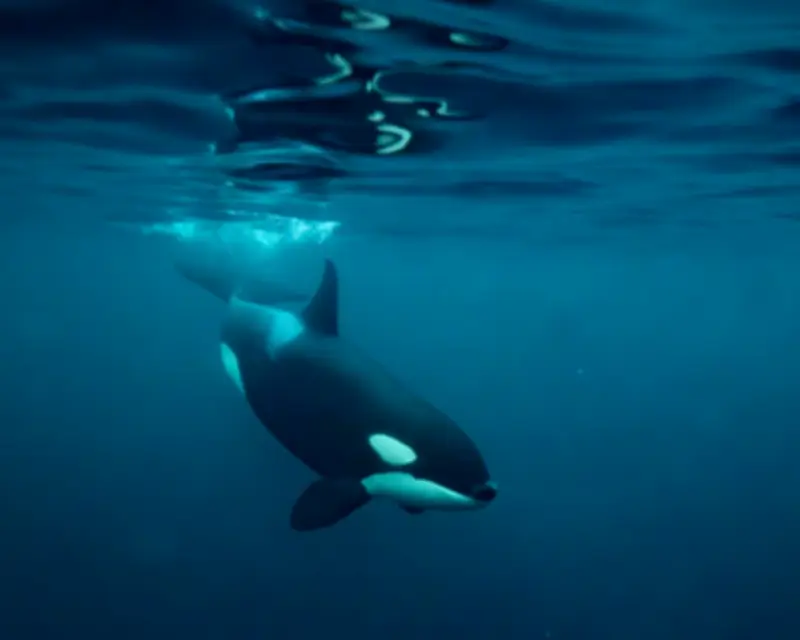
Orca sightings along the Northumberland coast have surged in 2026, with 15 confirmed reports already this year, compared to just two in 2020, according to the Northumberland Wildlife Trust. The increase has excited marine enthusiasts and raised questions about changing ocean conditions.
Record Numbers of Orca Sightings
The trust's marine conservation officer, Dr. Hannah Rudd, said the numbers are unprecedented. "We've never seen this level of orca activity off our shores. It's a remarkable shift," she noted. The sightings include pods of up to five animals, with some individuals identified by their distinct dorsal fins.
Orcas, or killer whales, are typically seen in deeper waters off Scotland and Norway, but recent years have seen them venture closer to the English coast. Experts believe this may be linked to changes in prey distribution, particularly seals and fish, which are drawing the whales southward.

Community and Conservation Response
Local boat tour operators have reported increased interest from tourists hoping to catch a glimpse of the orcas. "It's been a fantastic season for wildlife watchers," said John Smith of Seahouses Boat Trips. "We've had several trips where orcas were spotted, and it's a real thrill for everyone on board."
Conservationists urge the public to maintain a respectful distance to avoid disturbing the animals. The Wildlife Trust has issued guidelines for boaters and kayakers, recommending a minimum 100-metre buffer zone. Dr. Rudd emphasized, "We want people to enjoy this rare event, but we must prioritize the welfare of the orcas."
Possible Causes and Future Monitoring
Scientists are investigating whether warming sea temperatures or changes in fish stocks are driving the orcas' range expansion. The North Sea has experienced above-average surface temperatures in recent years, which may affect the distribution of herring and mackerel, key prey for orcas.
The trust plans to continue monitoring the sightings and has launched a citizen science project to collect data from the public. "Every sighting helps us build a clearer picture of what's happening in our waters," Dr. Rudd added. So far, 2026 has already surpassed the total number of orca sightings for the previous five years combined.