Scientists are increasingly concerned that human activities may be triggering a sixth mass extinction, the first caused by humans. Previous mass extinctions, such as the one that wiped out non-avian dinosaurs 66 million years ago, were driven by natural catastrophes. Today, accelerating extinction rates pose a major challenge, but understanding the factors that increase extinction risk is difficult because extinction often becomes clear only in hindsight.
The Challenge of Predicting Extinction
For well-studied species like the blue whale or New Zealand's kākāpō, extinction risks are relatively easy to assess. However, for the countless marine invertebrate species that underpin ocean ecosystems, predicting vulnerability is far harder. New Zealand is uniquely positioned to address this gap using its exceptional fossil record, which allows scientists to quantify a growing "extinction debt"—the number of species committed to future extinction due to current human actions—and act before that debt is locked in.
Why Marine Invertebrates Matter
Biodiversity loss threatens the Earth's life-support systems, yet most extinct or threatened species are never listed on the IUCN Red List, which is biased toward birds and mammals. Marine invertebrates are particularly under-represented. By studying fossil species, researchers can identify which groups of marine invertebrates have been most vulnerable in the past and thus may face heightened risk today.

New Zealand's Unique Data
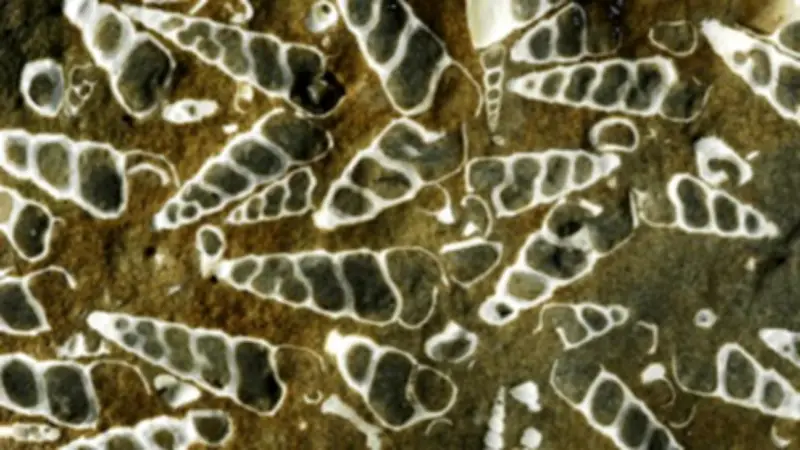
New Zealand's geographic isolation and highly endemic marine fauna create a "closed" system where species cannot easily migrate when conditions deteriorate. Both living and fossil marine faunas are among the best-documented globally, providing rich datasets. Molluscs, the most abundant fossil marine invertebrates, serve as a proxy for bottom-dwelling marine animals. Previous research on New Zealand fossil molluscs linked extinction risk to factors such as geographic range, body size, and sediment position. Current work extends this to predict future extinctions using climate models for the next few centuries.
Are We Entering a Sixth Mass Extinction?
Debate over whether current extinctions constitute a sixth mass extinction may be a distraction. Comparing modern extinctions to past mass extinctions is methodologically challenging because modern concerns focus on land species and rare organisms, while the fossil record is dominated by common marine species. The rate of future extinction is also uncertain—some species may vanish in decades, like the passenger pigeon, while others may persist for millennia, like the tuatara. Recent research suggests that some past mass extinctions were defined not by extreme extinction rates but by prolonged periods of elevated extinction. This finding underscores the urgency of reducing human-driven extinctions and avoiding excessive extinction debt.