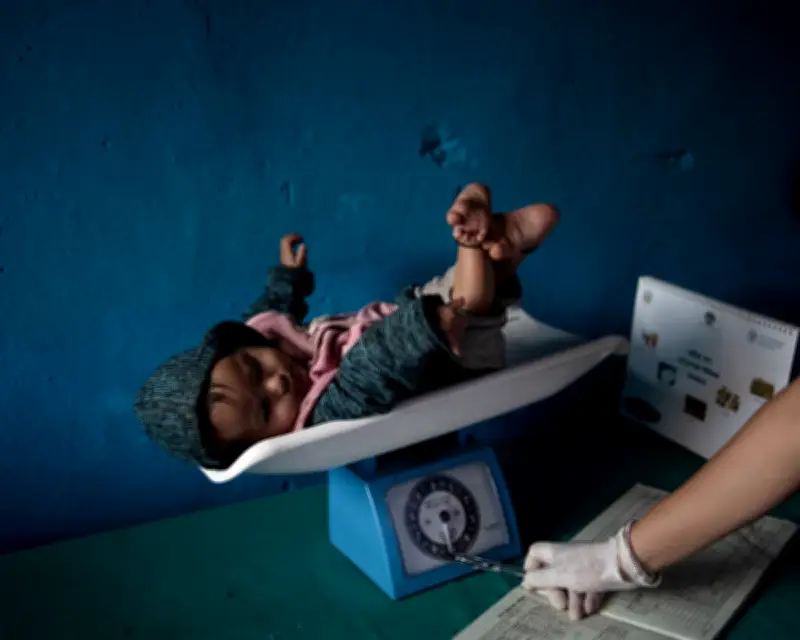
Nepal's significant gains in reducing child malnutrition and mortality over the past two decades are now under threat due to cuts in USAID funding, according to health experts and aid workers. The country had reduced stunting rates from 57% in 2001 to 25% in 2022, and under-five mortality from 91 per 1,000 live births to 28 per 1,000 live births. However, recent reductions in US foreign aid have jeopardized nutrition programmes that were critical to these achievements.
Funding Cuts Impact Nutrition Programmes
USAID provided approximately $30 million annually for nutrition-specific interventions in Nepal, including supplementary feeding for malnourished children, micronutrient supplementation, and community-based management of acute malnutrition. These programmes reached over 2 million children and pregnant women each year. With the funding cuts, many of these services have been scaled back or suspended, leaving vulnerable populations without essential support.
According to Dr. Ram Sharan Pathak, a senior nutritionist at the Ministry of Health and Population, 'The sudden reduction in funding has created a gap that the government cannot immediately fill. We are already seeing an increase in the number of children with severe acute malnutrition being admitted to treatment centres.'

Rising Malnutrition Rates
Early data from the Nepal Demographic and Health Survey 2025 shows that stunting prevalence has risen to 27%, and wasting has increased from 8% to 11% in the past two years. The number of children under five suffering from severe acute malnutrition has doubled in some districts, particularly in the remote Karnali and Sudurpashchim provinces.
Save the Children Nepal's country director, Arjun Bahadur Singh, stated, 'We are witnessing a reversal of hard-won progress. Without immediate restoration of nutrition funding, thousands of children will face irreversible developmental damage and increased risk of death.'
Global Context and Future Outlook
The cuts are part of a broader reduction in US foreign aid under the current administration, which has slashed the global nutrition budget by 40%. Nepal is one of 20 countries most affected by the cuts. The World Food Programme has warned that an additional 1.5 million people in Nepal could face food insecurity by the end of 2026.
In response, the Nepali government has allocated an additional $10 million for nutrition programmes in the current fiscal year, but officials acknowledge this is insufficient to cover the shortfall. International NGOs are calling on other donors to step in, but with competing global crises, funding prospects remain uncertain.