Naomi Parry Duncan's new book, Musquito: a real story of a legendary colonial warrior, delves into the life of an Aboriginal man known as Musquito (c.1780–1825), an early First Nations resistance fighter. Despite sparse historical records, Duncan pieces together his remarkable story, highlighting his exile to Norfolk Island, his role in Van Diemen's Land, and his place in criminal law history as one of the first Aboriginal people hanged.
Musquito's Early Life and Portrayal
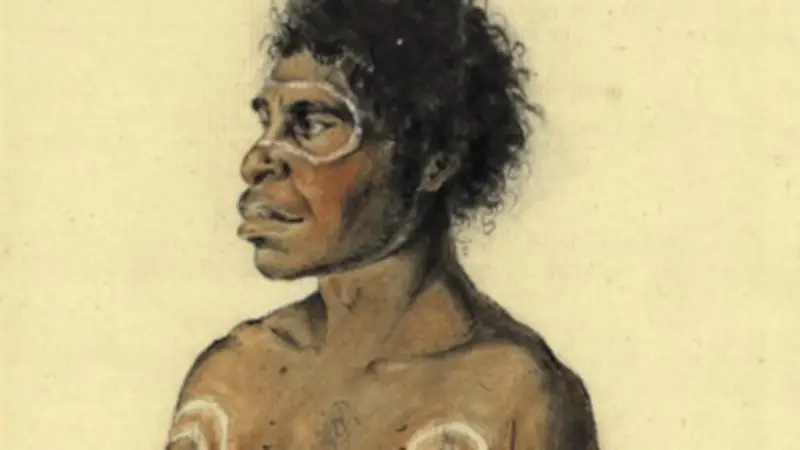
Musquito was born in the Sydney region, but he spent much of his life away from his Country, connecting him more to Van Diemen's Land than New South Wales. French naturalist Nicolas-Martin Petit drew him in 1802, leading to an engraving by Barthélemy Roger published in France in 1807. Duncan, a descendant of colonists who occupied Musquito's Country, now Sydney's northwestern suburbs, felt an obligation to tell his story.
Exile to Norfolk Island
In August 1805, Musquito was exiled to Norfolk Island after a confrontation with settlers and constables. Governor Philip Gidley King ordered his arrest along with a man named Toulgra. They were imprisoned for 47 days before being banished. On Norfolk Island, Musquito was “quiet and orderly,” according to King, and took up charcoal burning. In January 1813, he was transported to Port Dalrymple (Launceston).

Life in Van Diemen's Land
Musquito was a free man, not a convict. He worked as a tracker for colonists, assisting in the arrest of bushranger Michael Howe in September 1818. By 1822, Methodist clergy referred to him as a “chief.” When asked if he would “till the ground and live as the English do,” Musquito replied that he might, but his companions would not, placing him between two social orders.
Return to Resistance and Trial
In November 1823, Musquito returned to the “ways of the spear” after incidents of violence, including the slaying of two settlers at Grindstone Bay. A warrant named Musquito and “Black Jack” as killers. Duncan notes that only one spearing is credibly attributable to Musquito—a non-fatal attack on Joseph Jerome in July 1824. In August 1824, Musquito was shot and arrested. Because of his familiarity with colonists' ways, he could stand trial for murder.
In December 1824, Musquito pleaded “not guilty” to abetting the murder of William Holyoake and a Tahitian named Mammoa at Grindstone Bay. The Hobart Supreme Court did not appoint a defence counsel or interpreter. With John Radford as a credible witness, Musquito was found guilty of abetting the killing of Holyoake, a capital offense at the time.
Execution and Legacy
Musquito was hanged on February 25, 1825, along with Black Jack and six white bushrangers. Duncan speculates that they “accepted their fate as the cost of their struggle.” The book offers a lyrical and evocative account of Musquito's life, celebrating the natural history of the places he inhabited. Duncan's narrative invites readers to consider how dispossession enables sensuous inheritance, linking her and her readers to the dispossessed through the material world of non-human creatures and cultivated landscapes.
Duncan's work is a significant contribution to Australian history and First Nations history, providing a detailed and empathetic portrait of a legendary colonial warrior.