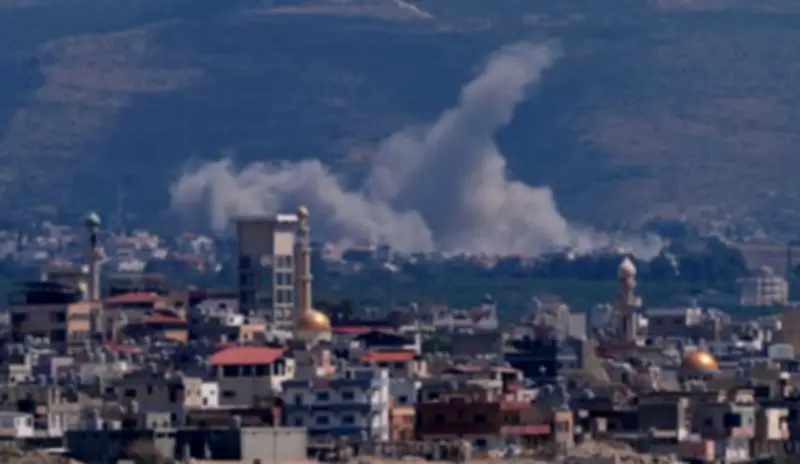
Cultural heritage is often dismissed as an unfortunate casualty of war, but in reality, the deliberate destruction of historic sites is a calculated tactic in conflicts. Recent attacks on southern Lebanon's cultural landmarks highlight why protecting these monuments is inseparable from safeguarding the communities tied to them.
Displacement and Cultural Identity
Attacks on southern Lebanon have displaced over one million people, including residents of Tyre, Nabatieh, Yaroun, Bint Jbeil, Khiam, and other border towns. This displacement severely damages cultural identities and leaves historic sites vulnerable due to the loss of community care and traditional craftsmanship. Protecting these sites is an international concern, as they hold outstanding universal value that cannot be restored once destroyed.
Beaufort Castle and Tyre Under Attack
Lebanon has 73 cultural sites on UNESCO's list of Cultural Property under Enhanced Protection. Among them is the 12th-century Beaufort Castle, which withstood wars for over 900 years. On May 27 and 30, the castle was struck, and since May 31, Israeli forces have occupied it, increasing risks of vandalism and looting. These actions violate Article 15 of Protocol II of the Hague Convention and constitute a war crime under Article 8(2)(b)(ix) of the Rome Statute.

The UNESCO World Heritage city of Tyre, one of the oldest metropolises and linked to the Temple of Solomon, has been attacked multiple times since March. Strikes occurred on May 27, June 7, and June 9. Ali Badawi, the Ministry of Culture's regional director, reported extensive debris and damage to columns, capitals, mosaics, and other artefacts. The Al-Bass archaeological site, featuring a necropolis, a Roman hippodrome, and an ancient aqueduct, was also hit. On March 6, an airstrike damaged the entrance of the Roman complex, and on May 26, another strike landed 180 meters from the hippodrome.
Citadel of Chamaa and Other Sites
The medieval Citadel of Chamaa, built in the 11th century and housing a shrine to Saint Peter, was severely damaged by Israeli explosives and bulldozers between April and May 2026, losing at least three of its four domes. In May, bulldozers destroyed the Holy Savior Christian School in Yaroun. According to Lebanon's Directorate General of Antiquities, 20 heritage sites were damaged from September to November 2024, with nine completely demolished, including the Ottoman souq of Nabatieh, the Church of St George in Derdghaya, and the mosque and church of Yaroun.
Steps for Protection
International humanitarian law mandates the protection of cultural heritage sites. UNESCO's Committee for the Protection of Cultural Property could convene to discuss sanctions. UNESCO should also assess the destruction in Lebanon after securing immunity. The Lebanese government should seek technical and financial assistance from the World Heritage Committee for Tyre and refer attacks to the International Criminal Court. As the UNESCO Constitution states, since wars begin in the minds of men, it is in the minds of men that the defences of peace must be constructed. The global community must condemn such destruction to honour every culture's contribution to our shared humanity.