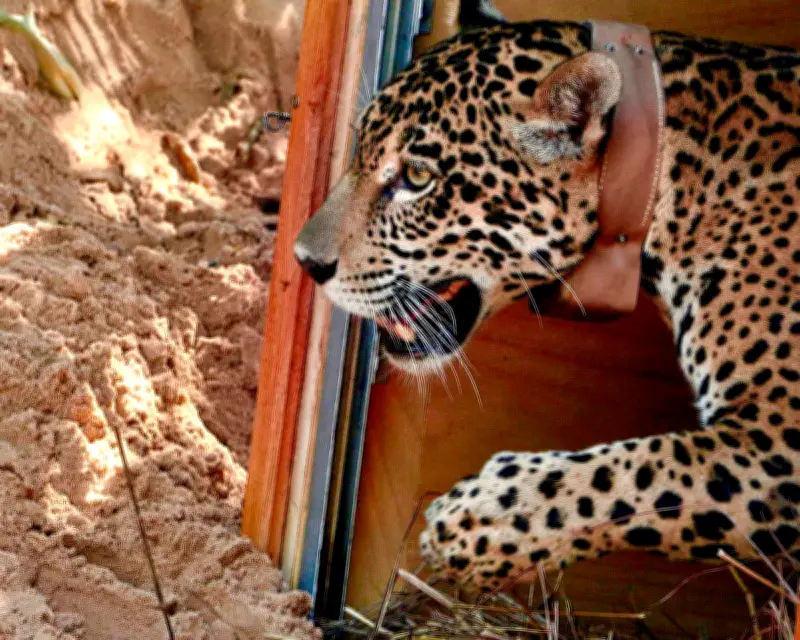
A groundbreaking conservation project in Bolivia has achieved a significant milestone with the successful reintroduction of captive-bred jaguars into their natural habitat. The initiative, led by the Bolivian government in partnership with international wildlife organizations, aims to restore the jaguar population in regions where the species has been absent for over 50 years.
Reintroduction details
On July 1, 2026, two male jaguars named Tupac and Amaru were released into the Barba Azul Nature Reserve in the Beni Department. The animals were born in captivity at the La Paz Zoo and underwent extensive training to develop hunting skills and avoid human contact. According to Dr. Maria Santos, the project's lead biologist, the jaguars spent six months in a pre-release enclosure where they were monitored via camera traps and GPS collars.
Conservation impact
The jaguar (Panthera onca) is classified as near-threatened globally, with populations declining due to habitat loss and poaching. In Bolivia, deforestation for agriculture and cattle ranching has reduced jaguar habitat by an estimated 40% over the past two decades. The reintroduction project is part of a broader effort to restore the ecological balance in the Bolivian Amazon, as jaguars are apex predators that help control prey populations.

"This is a historic moment for conservation in Bolivia," said Environment Minister Juan Carlos Rojas. "The return of the jaguar not only restores a key species but also brings hope for the recovery of our forests."
Monitoring and future plans
The released jaguars will be tracked via satellite collars for at least two years to assess their adaptation to the wild. Preliminary data from the first week shows they have successfully hunted small prey and established territories. The project plans to release an additional four jaguars next year, with a long-term goal of establishing a self-sustaining population of 20 individuals in the reserve.
Local communities have been engaged through educational programs to reduce potential conflicts. Farmers in the region are being compensated for livestock losses attributed to jaguars, and eco-tourism initiatives are being developed to provide economic incentives for conservation.