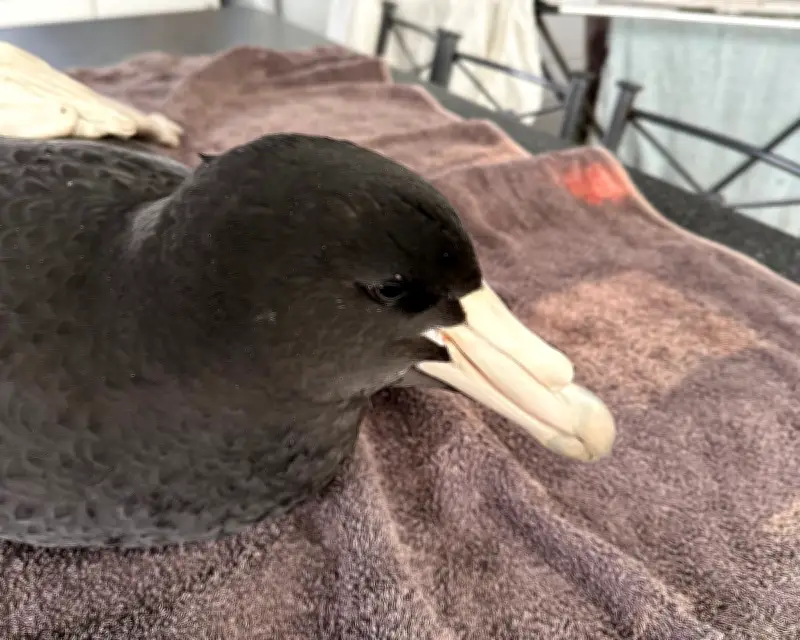
Highly pathogenic H5N1 avian influenza has been confirmed in brown skuas and giant petrels along the coast of Western Australia, marking a significant development in the spread of the virus. The detections were made on remote islands and coastal areas, with samples testing positive for the H5N1 clade 2.3.4.4b strain, which has caused mass mortality in wild birds globally.
Details of the Detection
The Australian Department of Agriculture, Fisheries and Forestry announced the findings on Wednesday, stating that the virus was identified in several brown skuas and giant petrels near the Abrolhos Islands and the Montebello Islands. These are the first confirmed cases in these species in Australia, though the strain has been circulating in other parts of the world for years. Officials noted that the birds were found dead or showing severe neurological symptoms before death.
Impact on Wildlife and Biosecurity
Experts warn that the introduction of H5N1 to Australia's seabird populations could have devastating consequences. Brown skuas and giant petrels are known scavengers and predators, which may facilitate the spread of the virus to other bird colonies and potentially to marine mammals. According to Dr. Michelle Wille, a senior research fellow at the University of Sydney, "The detection in these species is concerning because they travel long distances and interact with many other birds, increasing the risk of widespread transmission." The Australian government has increased surveillance and biosecurity measures in affected regions.

Broader Implications
The H5N1 strain has caused significant die-offs in seabird populations overseas, including in South America and Antarctica. Australia has so far been relatively spared, but these cases suggest the virus is now establishing a foothold. The Department of Agriculture is working with state authorities to monitor the situation and has urged the public to report any sick or dead birds. While the risk to humans remains low, authorities advise against handling wild birds without protection.