Fiji's government has rejected a plan by an Australian billionaire to burn rubbish for energy in Fiji, following backlash from traditional landowners and tourism operators who labeled it 'waste colonialism'.
Government Decision
Fiji's environment ministry announced on Thursday that it had rejected The Next Generation Holdings' (TNG) proposal for an energy-from-waste plant and a private port. The decision was based on issues surrounding the project's scale, imported waste, hazardous ash management, and public health risks. Questions over the impact on tourism and the environment, as well as the economic case for the project, remained unresolved in the company's submission.
"This is not a decision against investment or against new waste solutions," said Sivendra Michael, Fiji's secretary for the environment. "The department was not satisfied that the potential impacts and risks of the project could be adequately assessed or managed."

Background of the Proposal
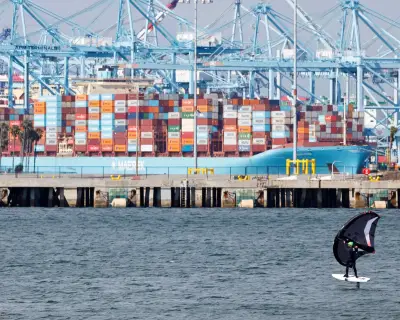
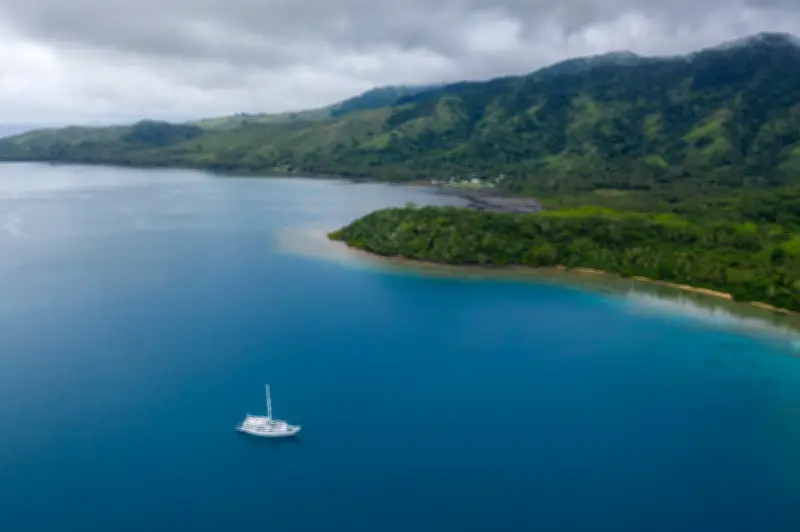
The plan involved shipping non-recyclable rubbish from across the region to Fiji, a popular tourist destination known for its pristine beaches, and building an incinerator to consume 900,000 tonnes of waste annually. The project was proposed by Ian Malouf, an Australian billionaire who made his fortune in rubbish disposal, and Rob Cromb, a fashion entrepreneur behind the Kookai label. They had claimed government support for the incinerator, which was to be built within 15 km of Nadi, Fiji's tourism gateway.
Environmental and Health Concerns
Critics, including Fiji's ambassador to the UN, Filipo Tarakinikini, had warned that the Vuda coast north of Nadi "must not become the Pacific's ashtray." The environmental impact statement revealed that the project would raise Fiji's national emissions by 25%, despite claims it could meet 40% of the country's electricity needs and reduce reliance on diesel. Residents expressed concerns that the emissions would spoil Fiji's eco-tourism reputation and pose safety risks due to nearby hotels and schools.
Previous Rejection in Australia
Malouf, known as the founder of "Dial a dump," had previously spent seven years trying to get a similar waste-to-energy incinerator approved in Sydney, but it was rejected in 2018 as a risk to human health. Cromb, who manufactures clothes in Fiji, had no immediate comment on the decision.
The rejection marks a significant victory for local communities and environmental groups who opposed the project, highlighting the growing resistance against what they term 'waste colonialism' in the Pacific region.