The Bundibugyo virus, responsible for the current Ebola outbreak in the Democratic Republic of the Congo, has caused more than 1,250 cases and at least 362 deaths, yet its wildlife origins remain poorly understood, according to disease ecologist Dan Salkeld. Writing in an analysis, Salkeld emphasized that determining the virus's natural reservoir is critical to preventing future epidemics.
Current outbreak and challenges
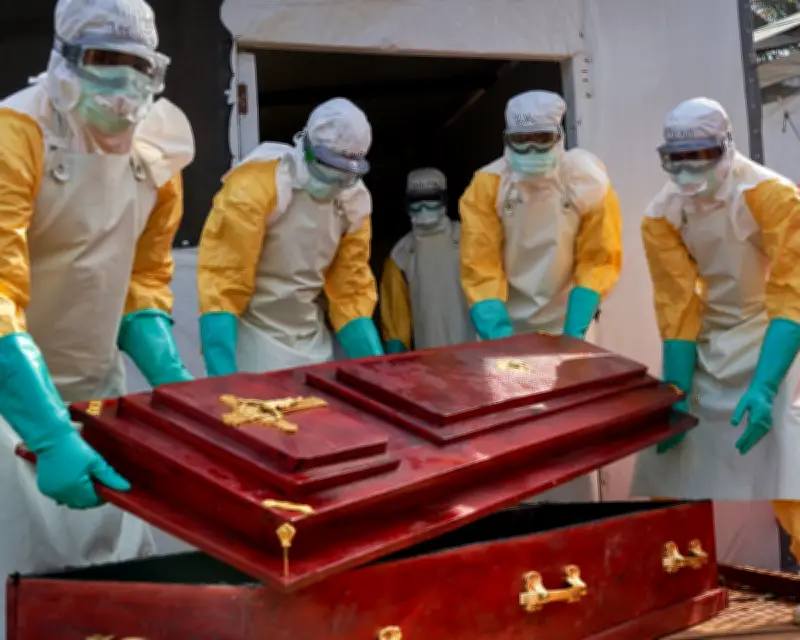
The outbreak, which has resulted in 254 deaths as of the latest reports, is caused by the Bundibugyo virus, a relative of the more infamous Zaire Ebola virus. Symptoms include sudden onset of headaches, diarrhoea, kidney and liver failure, and less frequently, internal and external bleeding. Contagiousness persists after death, exposing family members during funeral preparations. Without a proven vaccine, health workers are focusing on isolating patients and tracing contacts.
Unknown wildlife reservoir
Although fruit bats are often blamed as the reservoir for Ebola viruses, Salkeld noted that proof remains elusive. "Having a distant cousin who wears a kilt doesn't make you Scottish," he wrote. Historically, first human cases in Ebola outbreaks have been linked to exposure to forest antelopes, gorillas, and chimpanzees. Experimentally infected pigs can shed the virus and infect primates, suggesting a varied host range. The virus may also persist in a single host for years before re-emerging.

Research difficulties
Determining transmission patterns in tropical forests is challenging, especially in areas of political unrest and with funding cuts. Salkeld pointed to controversies surrounding Covid-19 origins as an example. "These issues make muddy waters for understanding how diseases emerge," he said. Before 2010, the largest Ebola outbreaks rarely exceeded 300 cases, but since then three outbreaks have numbered in the thousands, indicating a trend of larger epidemics.
One Health approach
Salkeld advocated for a "One Health" approach that recognizes links between humans, wildlife, and the environment. Reducing human exposure could involve using wildland buffers or discouraging consumption of wild animals. Integrated surveillance programmes could detect disease spread among wildlife, livestock, and humans. He warned against retaliatory actions against wildlife, such as bat-killing sprees after Covid-19, which can exacerbate disease spread if the species is not involved in transmission.
Call to action
"The burning question is whether this outbreak might provide the incentive to act to try to prevent future epidemics," Salkeld concluded. Understanding the origins of Bundibugyo virus is essential not only for human health but also to protect wildlife from unnecessary harm.