In the crystal-clear waters off Cuba's coast, a team of freedivers is using unusual tools to restore damaged coral reefs: leftover cables and bits of clay. This inventive approach is born from necessity, as the US blockade limits access to modern materials and equipment.
Low-Tech Solutions for a High-Stakes Problem
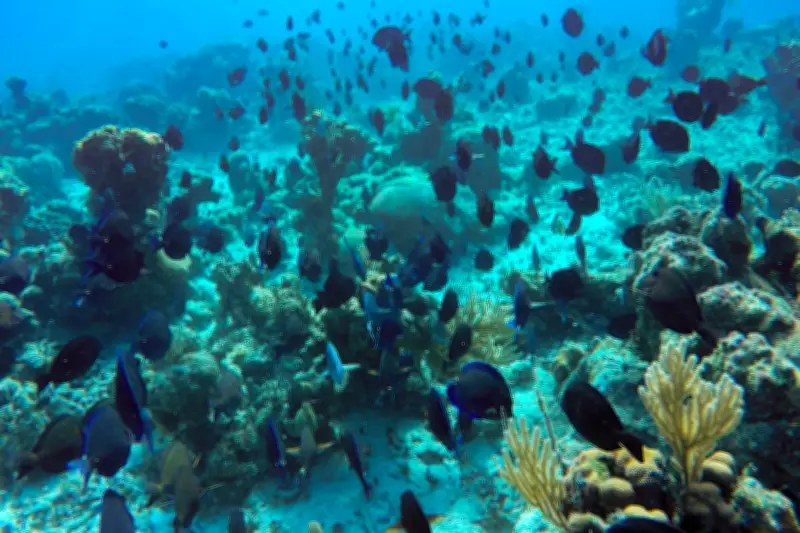
The Caribbean's coral reefs are under threat from climate change, pollution, and overfishing. Cuba's reefs, among the most pristine in the region, are not immune. But with the US embargo restricting imports, Cuban scientists and divers have had to get creative.
Using discarded electrical cables, they create frames that mimic natural reef structures. Bits of clay are molded into small discs that serve as bases for coral fragments. These are then transplanted onto the frames, where they can grow and eventually form new reef sections.

Freedivers at the Forefront
Freediving, a technique that involves diving without breathing apparatus, allows the team to work quickly and efficiently without disturbing the delicate marine environment. The divers can stay underwater for several minutes at a time, carefully attaching the coral fragments to the frames.
This method has proven surprisingly effective. The coral fragments attach and grow faster than expected, thanks to the stable foundation provided by the cables and clay. The team has already restored several small patches of reef, and plans to expand the project to larger areas.
A Model for Resilience
While the US blockade poses challenges, it has also forced innovation. The low-cost, low-tech approach used in Cuba could serve as a model for other developing nations facing similar constraints. It demonstrates that effective reef restoration can be achieved without expensive equipment or imported materials.
However, the long-term success of the project depends on continued efforts to address the root causes of reef degradation, including climate change and water pollution. The Cuban team hopes that their work will inspire greater international cooperation to protect the world's coral reefs.
As the freedivers resurface, clutching handfuls of clay discs and cable fragments, they embody the resilience and ingenuity that define Cuba's struggle to preserve its natural treasures against all odds.