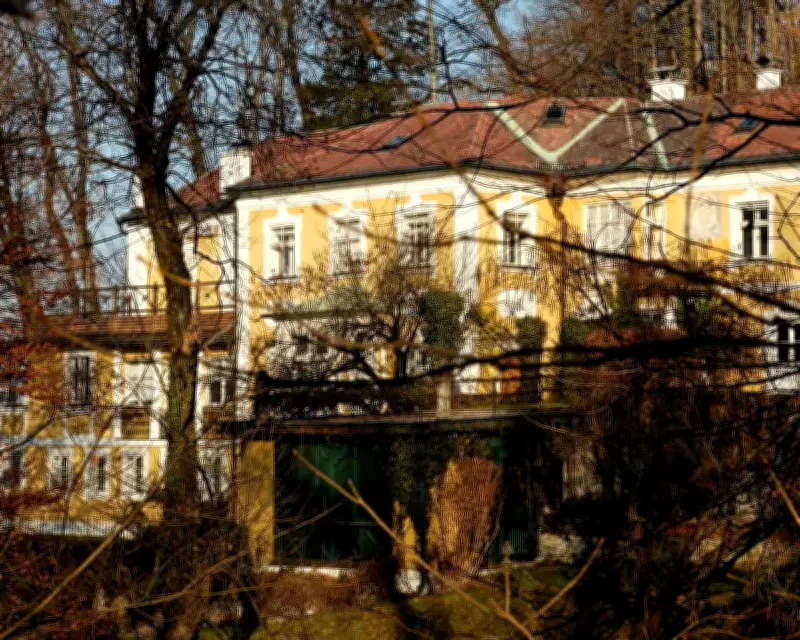
Austria has unveiled an ambitious campaign to transform the former Salzburg villa of renowned writer Stefan Zweig into a cultural memorial, seeking to honor his legacy and boost literary tourism. The initiative, led by the Austrian government in collaboration with local cultural institutions, aims to acquire the property where Zweig lived and worked during the 1920s and early 1930s before fleeing Nazi persecution.
Campaign Details and Goals
The campaign, announced on July 7, 2026, by Austria's Minister of Culture, Andrea Mayer, seeks to raise €15 million to purchase and renovate the villa. The property, located in the Kapuzinerberg district of Salzburg, has been privately owned and used as a hotel in recent decades. According to Mayer, the project will establish a museum and research center dedicated to Zweig's life and works, emphasizing his role as a pacifist and humanist.
“Stefan Zweig is one of the most important German-language authors of the 20th century,” Mayer stated. “This villa was his creative sanctuary, and it is our duty to preserve it as a place of remembrance and inspiration.” The campaign has already secured €5 million in pledges from private donors and the city of Salzburg.

Historical Significance of the Villa
Zweig purchased the villa in 1919 and lived there until 1934, when he emigrated due to the rise of Nazism. During his time in Salzburg, he wrote some of his most famous works, including “Beware of Pity” and his memoir “The World of Yesterday.” The villa also hosted prominent figures such as Sigmund Freud, Thomas Mann, and Arturo Toscanini. After Zweig left, the property was confiscated by the Nazi regime and later used as a military hospital.
“The villa is a symbol of the cultural flowering of the interwar period and the tragedy of exile,” said historian Oliver Rathkolb, who advises the campaign. “Restoring it will allow visitors to connect with Zweig's vision of a united Europe.”
Financial and Logistical Challenges
Acquiring the villa requires overcoming significant hurdles. The current owner, a hotel group, has listed the property for €12 million, but renovation costs are estimated at €3 million. The campaign also faces competition from private investors who may outbid the public fund. To address this, the government has declared the site a protected cultural monument, preventing demolition or major alterations.
“We are in a race against time,” Mayer warned. “If we fail to secure the funds, we risk losing this irreplaceable piece of literary history to commercial development.” The campaign plans to launch an international fundraising drive, targeting Zweig enthusiasts and cultural foundations worldwide.
Broader Cultural Impact
The initiative is part of a wider effort by Austria to reclaim its Jewish cultural heritage, which was devastated by the Holocaust. Zweig, who was Jewish, committed suicide in 1942 in Brazil, where he had fled. His works were banned in Nazi Germany and Austria. The memorial would join other restored Jewish sites in Vienna and Graz.
“This is not just about a building,” said Ruth Beckermann, a filmmaker and campaign supporter. “It is about acknowledging the loss and celebrating the enduring power of Zweig's ideas.” The villa is expected to attract up to 100,000 visitors annually, boosting local tourism and education.
Next Steps and Timeline
The campaign will submit a formal bid to purchase the villa by September 2026. If successful, renovation would begin in early 2027, with a projected opening in 2029. The Austrian parliament has approved a matching grant of up to €5 million, contingent on the campaign raising the remainder.
“We are confident that the international community will rally behind this cause,” Mayer said. “Stefan Zweig's message of tolerance and humanity is more relevant than ever.” The campaign has launched a website and social media channels to gather support.