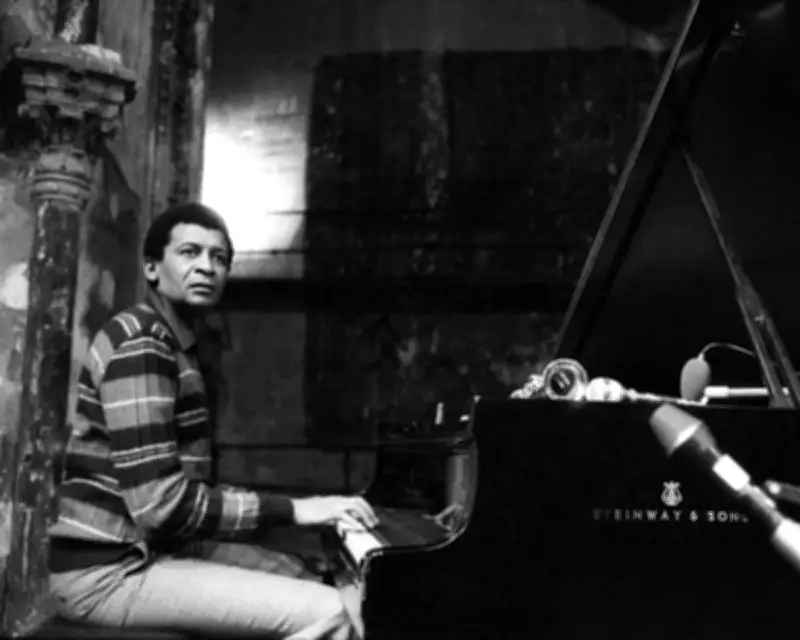
South African jazz pianist and composer Abdullah Ibrahim, whose distinctive style blended African rhythms with jazz and spiritual themes, has died at the age of 89. His family confirmed his death on Tuesday, June 16, 2026, but did not disclose the cause.
Early Life and Career
Born Adolph Johannes Brand on October 9, 1936, in Cape Town, Ibrahim began playing piano at a young age. He was influenced by the music of his grandmother, who played piano in the church, and by the jazz records brought by American sailors. In the 1950s, he formed the Jazz Epistles, one of South Africa's first major jazz groups, alongside saxophonist Kippie Moeketsi and trumpeter Hugh Masekela. The group recorded the first jazz album by black South African musicians, but disbanded after the 1960 Sharpeville massacre.
Exile and International Recognition
In 1962, Ibrahim left South Africa for Europe and later settled in the United States. He changed his name to Abdullah Ibrahim after converting to Islam in the late 1960s. His breakthrough came with the 1974 album African Marketplace, which showcased his unique fusion of jazz, African folk, and classical music. He gained a global following and collaborated with artists such as Duke Ellington, John Coltrane, and Max Roach.

Musical Style and Legacy
Ibrahim's music was characterized by its melodic simplicity, rhythmic complexity, and spiritual depth. He often performed solo or with his trio, emphasizing improvisation and the interplay between piano and African percussion. His compositions, such as "Mannenberg" and "The Wedding," became anthems of the anti-apartheid movement. Ibrahim returned to South Africa after Nelson Mandela's release from prison in 1990 and continued to perform and record, receiving numerous awards including the Order of Ikhamanga in 2008.
Tributes
Tributes have poured in from around the world. South African President Cyril Ramaphosa described Ibrahim as "a giant of our musical heritage whose work gave voice to the struggle for freedom and inspired millions." Fellow musicians and fans have celebrated his life and contributions to jazz and world music.
Abdullah Ibrahim is survived by his wife, Sathima Bea Benjamin, a singer and composer, and their children. His music will continue to inspire generations to come.