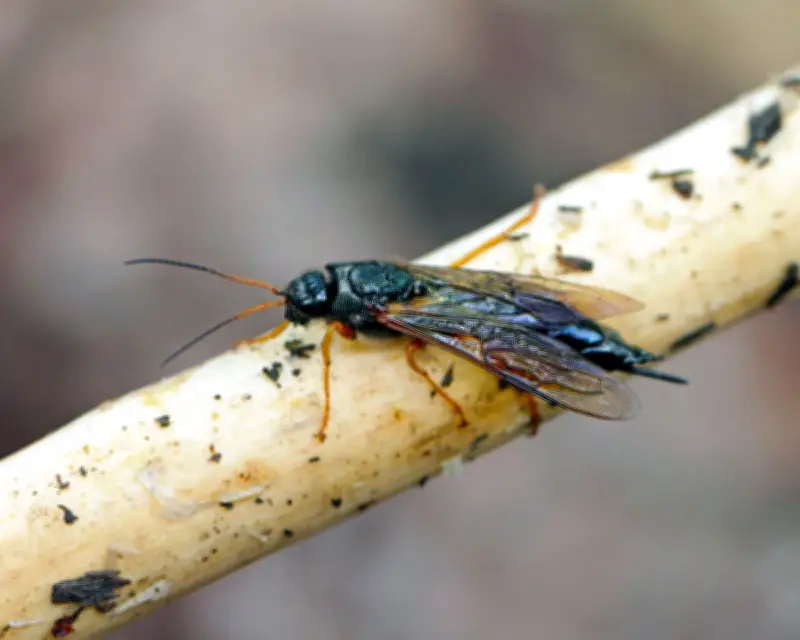
In a remarkable find that bridges entomology and industrial history, a wood-boring wasp captured in a coal pit in 1906 has been rediscovered, shedding light on insect life in early 20th-century mining environments.
Rediscovery of a Century-Old Specimen
The specimen, originally collected by a miner in a coal mine in the United Kingdom, was recently identified among forgotten collections. The wasp, belonging to the family Siricidae, is known for its ability to bore into wood, but finding it in a coal pit is unusual.
Experts believe the wasp may have been attracted to timber supports used in the mine, or it could have been carried in with coal. The discovery provides a unique snapshot of biodiversity in industrial settings.

Significance for Science
This find is significant for several reasons:
- It demonstrates the value of historical collections in understanding species distribution.
- It offers clues about how insects adapted to human-altered landscapes.
- It highlights the role of miners as accidental naturalists.
Entomologists are now studying the specimen to determine its exact species and compare it with modern populations. The wasp's presence in a coal mine suggests that such habitats may have served as refuges for certain insects.
A Glimpse into the Past
The capture in 1906 coincides with a period of intense coal mining. The specimen was preserved in a small box with handwritten notes, indicating the miner's curiosity. This amateur contribution to science is now providing valuable data for researchers.
As museums digitize their collections, more such hidden gems are likely to emerge. The wood-boring wasp from the coalpit is a testament to the unexpected intersections of industry and nature.