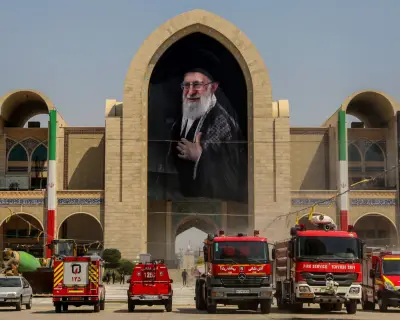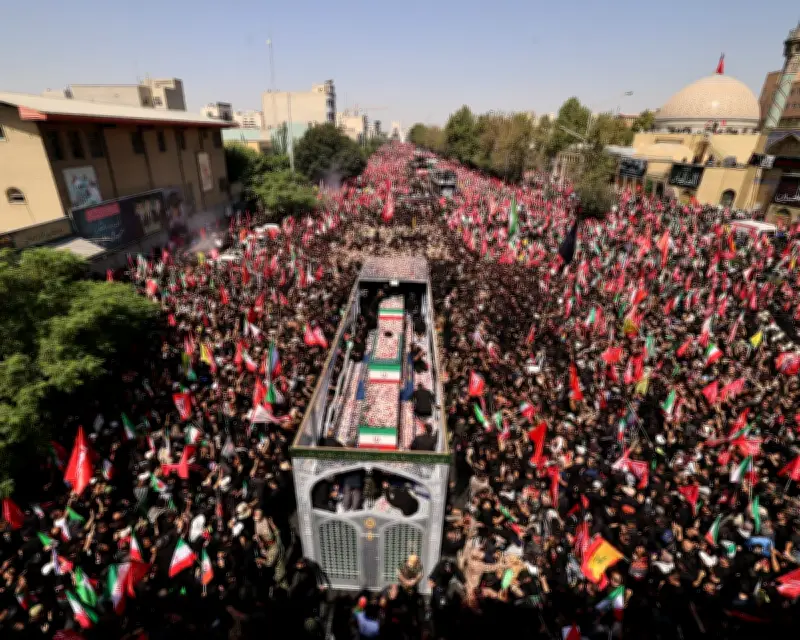
The funeral of Iran's former Supreme Leader Ali Khamenei drew millions of mourners in Tehran, with the Financial Times reporting as many as 12 million attendees. The massive turnout, comparable to the 1989 funeral of Ruhollah Khomeini, has been interpreted by the government as a mandate for its rule and a rebuke to US 'maximum pressure' policies.
Mourning or Mandate? The Numbers Debate
Estimates for the Tehran leg range from 350,000 to 35 million, reflecting observers' biases. Government sources hailed the event as a 'referendum from the streets' showing support for the clerical establishment, with some calling for intensified confrontation with the West. However, others argue the outpouring reflects conditional national pride tied to demands for change and an end to the war.
Mohammad Ali Kadivar, associate professor at Boston College, described the funeral as 'a major episode of state-led mobilisation,' noting Iran's dense infrastructure of mosques, Basij, schools, and media that enables mass participation. 'The Islamic republic also has a real social base—large, organised, ideologically committed,' he said.

Regime's Social Base on Display
Reza Nasri, a lawyer close to the government, said the images showed 'a civilisation expressing itself in full, with all its grief, its pride and its cohesion.' He argued that US strategy 'did not radicalise them against their government. Four decades of sanctions, two wars, maximum pressure—and this is what it produced: a people more visibly unified than almost any nation.'
Hossein Rouyvaran, a Tehran University professor, added: 'The biggest problem of the West is all their theories are materialistic, but what happens in Tehran is beyond mundane materialism. Millions come and sleep in the streets—that suggests a non-materialistic connection between leader and people.'
Political Implications and Fractures
The funeral has legitimised the government, giving it a freer negotiating hand with the US, according to Rouyvaran. However, internal fractures remain. Foreign Minister Abbas Araghchi, seen riding a motorbike to the procession, faces demands for revenge. Responding to Donald Trump's threats, Araghchi cited a memorandum of understanding: 'Negotiations on final deal will not commence if threats continue.'
Abdollah Ramezanzadeh, a retired Tehran University professor, warned of 'stage-managing efforts by state TV to seek revenge and reject negotiation,' potentially dragging the country into war. Hesamoddin Ashna, adviser to former president Hassan Rouhani, urged that the national presence be honoured 'with justice and rationality.'
Absences and Succession Questions
Notably absent from ceremonies were former presidents Khatami, Ahmadinejad, and Rouhani, as well as Ali Asghar Hijazi, deputy chief of Khamenei's office. Hijazi reportedly opposed elevating Khamenei's son Mojtaba as successor, citing the late leader's will barring his children from politics.
The battle for Iran's soul, both subterranean and in the streets, is entering a new phase. With negotiations pending on Lebanon, the Strait of Hormuz, and Iran's nuclear programme, advocates of confrontation may gain the upper hand.