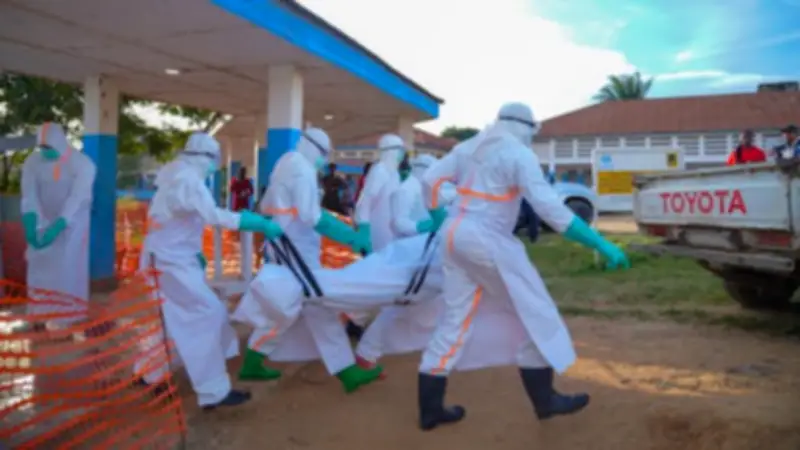
The fight against Ebola has seen a rare double dose of positive developments. On one hand, the Coalition for Epidemic Preparedness Innovations has pledged up to US$62 million to expedite the creation of vaccines targeting the Bundibugyo Ebola virus, currently circulating in the Democratic Republic of the Congo and Uganda. On the other, health authorities have revised down the number of confirmed cases and deaths in the region. As of June 2, the DRC has reported 344 confirmed cases and 60 deaths, while Uganda has 15 cases and one death. Earlier suspected cases had exceeded 1,000.
Existing Vaccines Not Effective Against Current Strain
Two approved Ebola vaccines—Ervebo and Zabdeno/Mvabea—exist, but they are designed specifically for the Zaire Ebola virus. The Bundibugyo virus has different surface proteins, rendering these vaccines insufficient. The new funding aims to develop the first human vaccine for this strain.
The Three Vaccine Candidates
1. IAVI Vaccine
Considered the most promising by a WHO expert panel, this single-dose vaccine is developed by the International AIDS Vaccine Initiative and the University of Texas Medical Branch. It uses a similar approach to Ervebo and has shown protection in macaque monkeys but has not yet been tested in humans. Clinical trials are expected in seven to nine months.

2. Moderna Vaccine
From the same company behind an approved COVID-19 mRNA vaccine and an RSV vaccine, this candidate targets the Bundibugyo virus surface glycoprotein. The funding will support preclinical studies and human clinical trials.
3. University of Oxford Vaccine
Developed with the Serum Institute of India, this vaccine uses technology similar to the Oxford/AstraZeneca COVID-19 vaccine. It is in early stages, and the WHO panel recommends additional animal data. However, human trials could begin within two to three months. If successful, a single dose may be suitable for contacts of cases, while two doses could be considered for high-risk groups like healthcare workers.
Challenges Ahead
Developing Ebola vaccines faces hurdles including proving safety and efficacy, regulatory approval, large-scale manufacturing, and distribution. Vaccine hesitancy and misinformation can hinder recruitment for trials, especially in remote, resource-limited, or conflict-affected areas where later-phase studies occur. A successful vaccine would greatly enhance outbreak control and future preparedness, but until then, basic infection control remains the primary strategy.