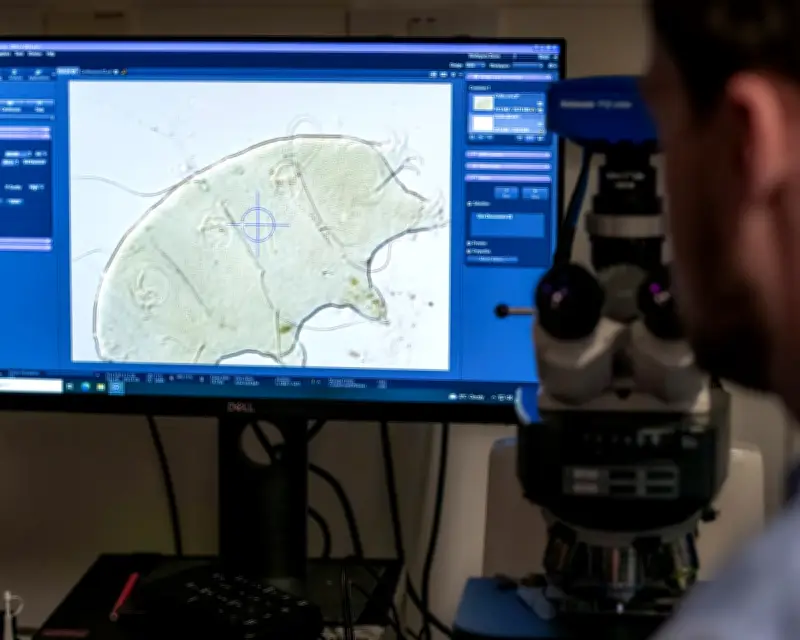
A team of researchers has embarked on an ambitious project to sequence the DNA of tardigrades, the microscopic invertebrates renowned for their ability to survive extreme conditions, including the vacuum of space, boiling water, and radiation. The initiative aims to uncover the genetic mechanisms behind their resilience, which could have profound implications for medicine, space exploration, and our understanding of life on Earth.
Why Tardigrades?
Tardigrades, also known as water bears, are among the most resilient organisms on the planet. They can enter a state of suspended animation called cryptobiosis, during which their metabolism nearly stops and they can withstand extreme temperatures, pressure, and even ionizing radiation. According to Dr. Sarah Johnson, lead researcher at the University of Earth Sciences, "Tardigrades are a biological marvel. Understanding their DNA could help us develop new ways to preserve human cells or protect astronauts from cosmic radiation."
The Sequencing Project
The project, funded by the Global Genomics Initiative, involves collecting tardigrade samples from diverse habitats, including mosses, lichens, and deep-sea sediments. The team plans to sequence the genomes of at least 100 different species, comparing them to identify shared survival genes. Dr. Johnson noted, "We have already sequenced the genome of Hypsibius dujardini, but there are over 1,300 known species. Each may hold unique genetic keys."

Potential Applications
The research could lead to breakthroughs in cryopreservation, enabling longer storage of organs for transplant, and in developing radiation-resistant materials. In space travel, tardigrade-inspired technologies might protect astronauts during long-duration missions. The project also aims to explore how tardigrade proteins could stabilize pharmaceuticals without refrigeration.
Challenges and Ethical Considerations
Sequencing tardigrade DNA presents technical challenges due to their small size and the presence of symbiotic bacteria. However, advances in single-cell sequencing are overcoming these hurdles. Ethically, the team emphasizes responsible use of any discoveries, ensuring they benefit humanity and the environment. "We are not creating super-organisms," Dr. Johnson clarified. "We are learning from nature to improve our own technologies."
Broader Impact
This research underscores the importance of biodiversity and invertebrate conservation. Tardigrades, often overlooked, are vital to nutrient cycling in ecosystems. The project will also produce educational resources to inspire the next generation of scientists. As Dr. Johnson concluded, "Tardigrades teach us that life can thrive in the most unexpected places. Their DNA is a roadmap to resilience."