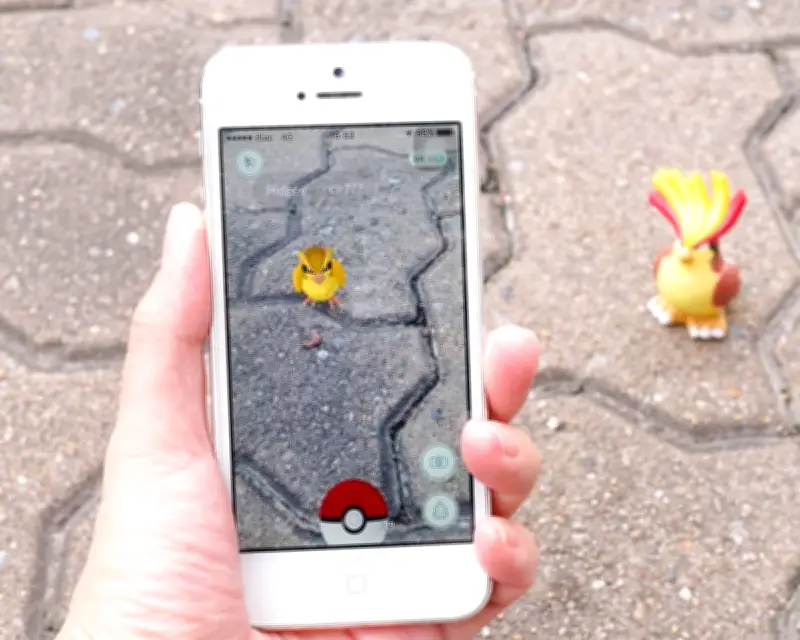
Data collected from millions of Pokémon Go players has been used to train an artificial intelligence system that could assist military drones in navigating war zones, according to a new report. The revelation has sparked debate over the ethical implications of using civilian data for military purposes.
The Research Behind the AI
Researchers at a leading technology institute developed the AI by analyzing location data and movement patterns from Pokémon Go, the popular augmented reality game. The game requires players to walk around real-world locations to catch virtual creatures, generating vast amounts of spatial data. This data was used to train algorithms to recognize obstacles, predict human movement, and navigate complex environments—capabilities that are crucial for autonomous drones operating in conflict zones.
The study, published in a peer-reviewed journal, demonstrates how the AI could be integrated into drone systems to improve their ability to avoid hazards and track targets. The researchers emphasized that the data was anonymized and aggregated, but critics argue that the use of such data without explicit consent for military applications crosses a line.

Ethical Concerns Raised
Privacy advocates have condemned the research, stating that players did not agree to have their data used for military purposes. "This is a clear violation of trust," said a spokesperson for a digital rights group. "Pokémon Go users were simply trying to catch virtual creatures, not contribute to drone warfare." The group has called for stricter regulations on how location data from games and apps can be repurposed.
Other experts point out that the data could be used to improve drone safety in civilian contexts, such as search and rescue operations. However, the potential for misuse remains a significant concern.
Industry Response
Niantic, the developer of Pokémon Go, stated that it was not involved in the research and that its terms of service prohibit the use of user data for military purposes. "We are committed to protecting our players' privacy and will investigate this matter thoroughly," a company representative said. The researchers claim that the data was obtained from public datasets and did not directly involve Niantic.
The military applications of AI trained on gaming data are not new. Previous studies have used data from games like StarCraft and Minecraft to train AI for strategic planning and navigation. However, the use of data from a game with a massive civilian player base marks a significant escalation.
Future Implications
As AI technology advances, the line between civilian and military applications continues to blur. This case highlights the need for clear ethical guidelines and transparency in how data is collected and used. Policymakers are urged to consider new laws to prevent the exploitation of user data for unintended purposes.
The research team defended its work, arguing that the potential benefits, including safer drone operations in war zones, outweigh the risks. "Our goal is to save lives, both civilian and military," a lead researcher said. "The data was used responsibly and with appropriate safeguards."
Nevertheless, the controversy underscores the growing tension between technological innovation and privacy rights in the digital age.