US safety regulators have launched an investigation into a fatal Tesla crash in Texas that killed two people, amid renewed concerns over the automaker's driver-assistance systems. The National Highway Traffic Safety Administration (NHTSA) confirmed on Thursday that it is probing the incident, which occurred on Wednesday evening in Spring, Texas, a suburb of Houston.
Crash Details
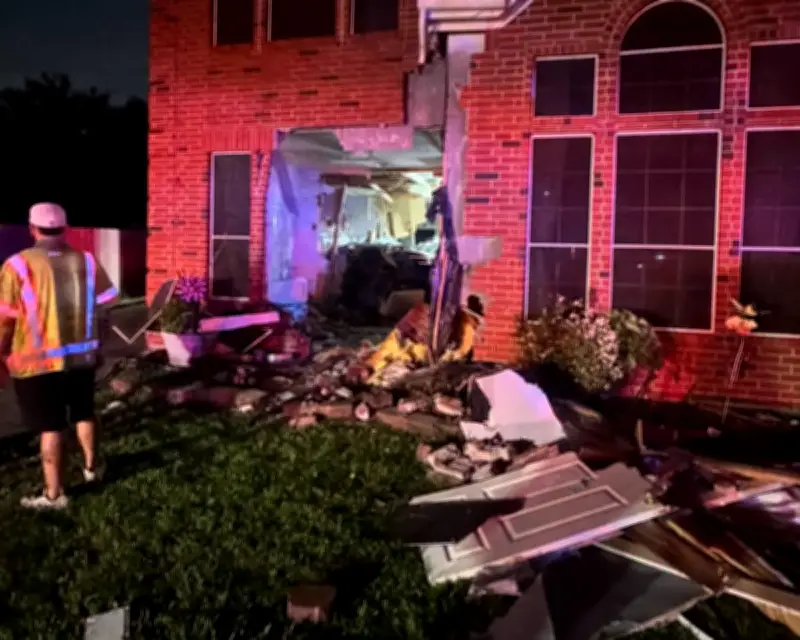
The vehicle, a 2021 Tesla Model S, crashed into a tree at high speed, according to local police. The car was traveling at a speed that investigators believe was well above the posted limit when it left the roadway and struck the tree, bursting into flames. Both occupants were pronounced dead at the scene. Authorities noted that no one was found in the driver's seat after the crash, suggesting that the vehicle may have been operating without a driver behind the wheel.
Local police said they are working with federal investigators to determine whether Tesla's Autopilot system was active at the time of the crash. "We're looking into whether the vehicle was on Autopilot," said Sergeant Mark Herman of the Harris County Constable's Office. "We're also trying to determine if the driver was in the driver's seat or if someone was in the passenger seat."

Ongoing Scrutiny of Tesla's Autopilot
This incident adds to a growing list of crashes involving Tesla vehicles where Autopilot has been suspected as a factor. NHTSA has opened over 30 investigations into Tesla crashes since 2016, with at least 17 deaths linked to the use of driver-assistance systems. The agency has been under pressure to tighten regulations on autonomous driving technology.
Tesla's Autopilot is designed to assist with steering, braking, and lane changes, but the company emphasizes that drivers must remain attentive and keep their hands on the wheel. However, critics argue that the system's name and capabilities can lull drivers into a false sense of security, leading to misuse.
Legal and Regulatory Implications
The crash could have significant implications for Tesla, which is already facing multiple lawsuits and regulatory probes over its driver-assistance features. The National Transportation Safety Board (NTSB) has previously criticized Tesla for insufficient safeguards against driver inattention. In 2020, the NTSB recommended that Tesla incorporate better driver monitoring systems, but the company has not fully complied.
"This tragic event underscores the urgent need for stronger safety standards for automated driving systems," said a spokesperson for the Center for Auto Safety, a consumer advocacy group. "We cannot continue to rely on voluntary compliance from manufacturers."
Industry-Wide Concerns
The crash also highlights broader concerns about the deployment of semi-autonomous technology across the automotive industry. While many manufacturers offer similar features, Tesla's system has been particularly controversial due to its aggressive marketing and the company's tendency to push software updates that expand capabilities.
According to data from NHTSA, there have been more than 400 crashes involving vehicles with advanced driver-assistance systems since June 2021, with Tesla accounting for nearly 70% of those incidents. The agency has been working on new rules that would require automakers to report crashes involving autonomous technology more promptly.
As the investigation continues, Tesla shares fell by 2.5% in after-hours trading on Thursday. The company has not yet commented on the crash.