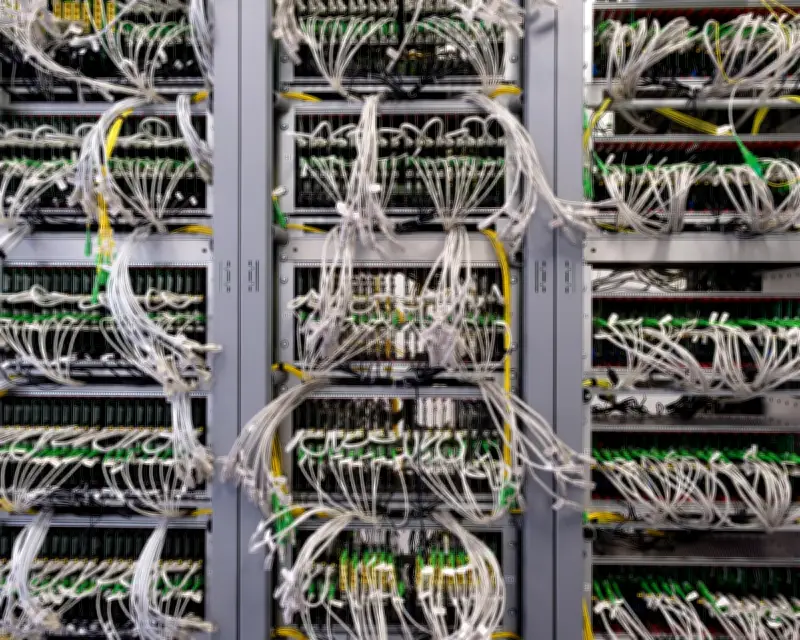
The British government has unveiled plans to establish artificial intelligence growth zones across the country, aiming to accelerate the development of the technology sector and attract significant private investment. The initiative, announced on Monday, will designate specific areas where planning regulations will be relaxed for data centers and other AI infrastructure, alongside fast-tracked approvals for energy projects to power them.
What Are AI Growth Zones?
The AI growth zones are geographically defined areas where the government will streamline planning permissions and provide priority grid connections for energy-intensive data centers. The first such zone will be located in Culham, Oxfordshire, home to the UK Atomic Energy Authority. The site is expected to benefit from existing grid capacity and proximity to scientific expertise.
According to the Department for Science, Innovation and Technology, the zones are designed to “unlock private investment, create jobs, and put the UK at the forefront of the global AI revolution.” The government plans to consult on further locations later this year.

Why Now?
The announcement comes as the UK seeks to position itself as a leader in AI regulation and development. Prime Minister Keir Starmer stated that the zones would “harness the potential of AI to transform public services and boost economic growth.” The move is part of a broader strategy that includes a new AI Opportunities Unit within government and a commitment to host the first international AI safety summit.
Industry bodies have welcomed the initiative. Julian David, CEO of techUK, said: “AI growth zones can help overcome some of the key barriers to AI adoption, particularly around energy and planning. This is a pragmatic step that could unlock billions in investment.”
Key Details and Impact
The government expects the zones to attract at least £1 billion in private investment over the next five years. Each zone will benefit from dedicated grid capacity, with the National Grid instructed to prioritize connections for qualifying data centers. The planning reforms will apply to both new builds and expansions of existing facilities.
Critics, however, have raised concerns about the environmental impact. Greenpeace UK’s chief scientist, Dr. Doug Parr, warned: “AI data centers consume vast amounts of electricity. Without strict conditions, these zones could lock in fossil fuel dependency and undermine climate targets.” The government has countered that the zones will include requirements for renewable energy usage and carbon offsetting.
Broader Context
The UK is not alone in pursuing AI-focused economic zones. Similar initiatives are underway in the European Union, the United States, and parts of Asia. However, the UK’s approach emphasizes speed and deregulation, aiming to outpace competitors in attracting investment.
The announcement also coincides with the publication of a government-commissioned review by entrepreneur Matt Clifford, which recommended the creation of “AI development zones” to boost compute capacity. The review highlighted that the UK currently lacks sufficient data center infrastructure to compete globally.
What Happens Next?
Parliament will need to approve secondary legislation to implement planning reforms. The government expects the first zone in Culham to become operational by early 2027. A consultation on additional zones will run until September, with locations expected to include decommissioned power stations and former industrial sites in the Midlands and North of England.
The success of the initiative will be measured by the amount of private capital deployed, the number of high-skilled jobs created, and the UK’s ranking in global AI competitiveness indices. The government has set a target for the AI sector to contribute £1 trillion to the economy by 2035.