In response to Nesrine Malik's article on the perils of artificial intelligence, readers have shared their concerns about the technology's impact on truth, creativity, and society. Dr. Simon Nieder from Chesterfield warns that AI's ability to generate plausible but fabricated content undermines trust in evidence. He argues that the real danger is not just bland prose but the erosion of provenance—the ability to trace claims back to their sources.
Concerns Over AI's Derivative Nature
Alan Wenban-Smith from Birmingham echoes Malik's skepticism, recalling his first encounter with AI in 1989. He notes that AI's reliance on large language models produces persuasive but derivative ideas, and as more AI-generated content enters training data, this problem will worsen. He questions the wisdom of integrating such technology into the economy and governance.
Lack of Empathy and Creativity
Michael Peel from London highlights AI's lack of empathy, which renders its creative outputs devoid of feeling. He criticizes tech billionaires for profiting from others' ideas without empathy. Dianne Lewis from West Yorkshire defends the term "Luddite" as a badge of honor, noting that original Luddites were artisans protecting their livelihoods. Elizabeth Cope from Surrey doubts AI could produce works like those of Dickens or Rumi, as AI lacks a unique, human voice.

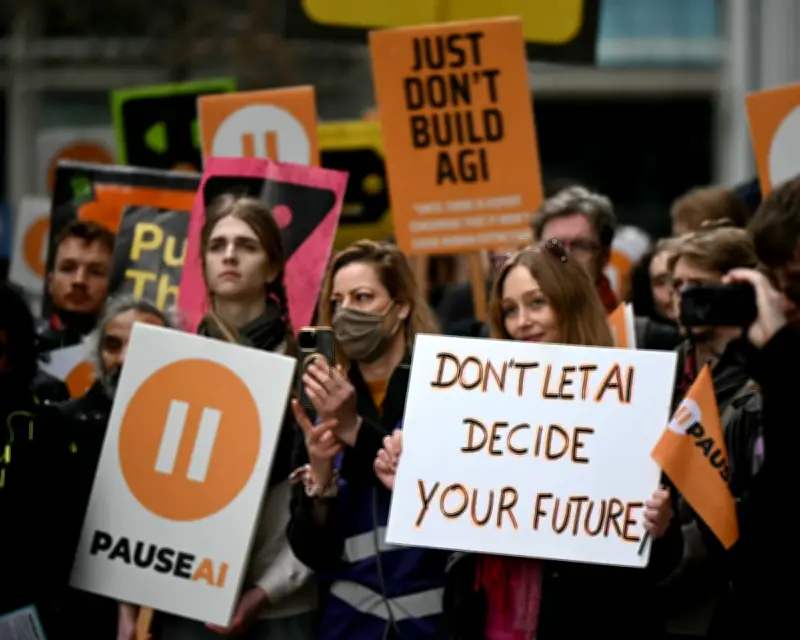
These letters reflect growing unease about AI's role in society, from fabricated quotes to the loss of human creativity and accountability.