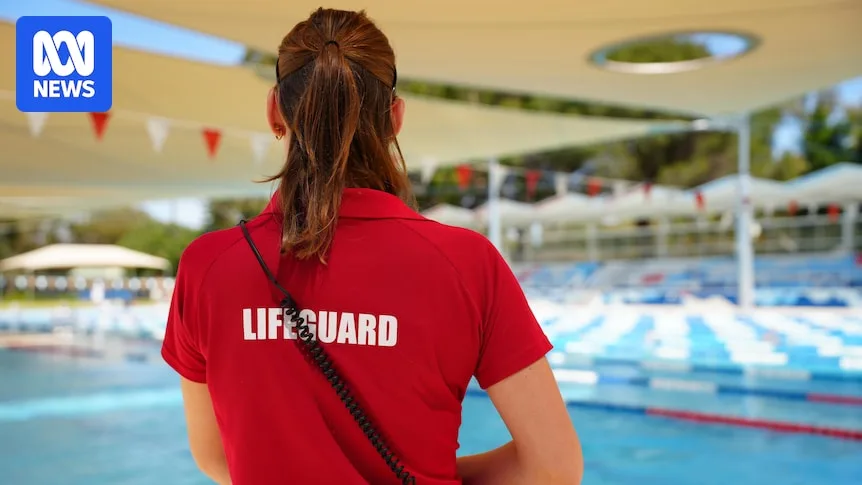
An artificial intelligence system designed to detect swimmers in distress is being tested at Newcastle's Wallsend Pool, part of a broader rollout across 120 public pools in Australia. The technology analyzes movements captured by existing CCTV cameras and sends alerts to lifeguards' smartwatches if it identifies a swimmer who has been underwater too long, stopped moving, or appears to be struggling.
Duncan Hutton, recreational facilities operations coordinator at the City of Stirling, described the system as giving lifeguards 'eyes in the back of their head.' The technology has been in use at the Stirling Leisure-Inglewood pool in Perth for over a year, where it alerted a lifeguard to a potential incident that also involved a member of the public swimming over the top during a rescue.
Royal Life Saving Australia reported that the system prevented a tragedy at a Sydney pool, where a person became trapped under a moveable bulkhead. The AI prompted a lifeguard to recheck the area, leading to a successful rescue. RLSA's Michael Houston noted that the technology overcomes human limitations such as refraction, glare, and line-of-sight barriers.

RLSA is studying the impact of the AI system in partnership with Lynxight, a provider of drowning-prevention tools. Houston said the technology reduces lifeguards' 'chronic unease' and stress, making them feel more confident. However, Professor Paul Salmon from the University of the Sunshine Coast cautioned against over-reliance, warning of potential skill degradation and complacency.
To address these concerns, Royal Life Saving has developed a training program for lifeguards that will be rolled out nationwide. The program aims to ensure that lifeguards remain vigilant and do not become overly dependent on the AI system.