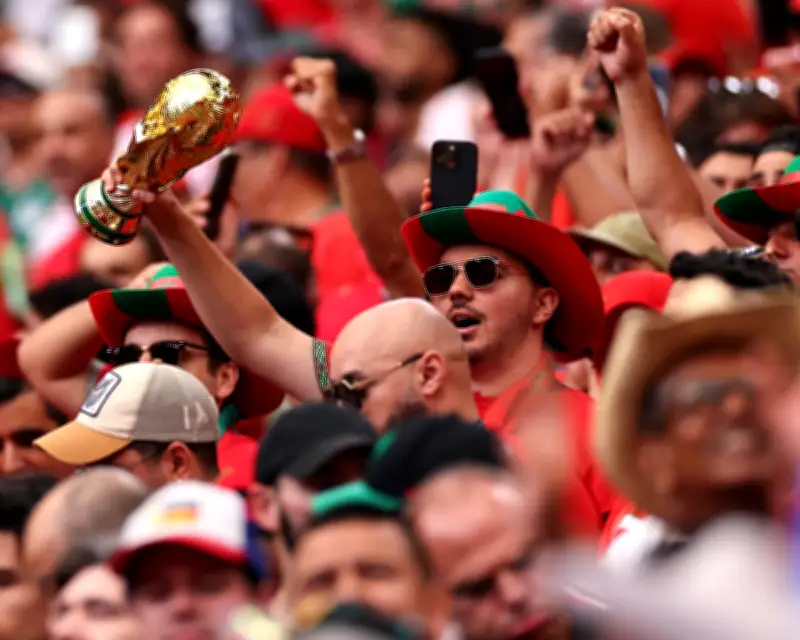
A surge in UK residents using prediction markets to wager on the World Cup and other major events has been reported, as these platforms offer an alternative to traditional sportsbooks. According to a study by the University of Bristol, participation in prediction markets among UK adults has increased by 35% since the start of the 2026 World Cup.
What Are Prediction Markets?
Prediction markets allow users to buy and sell shares in the outcome of future events, such as sports matches or election results. Unlike conventional betting, prices fluctuate based on supply and demand, reflecting the collective probability of an outcome. For example, a share in England winning the World Cup might trade at 60p, implying a 60% chance.
Dr. Emily Carter, a gambling researcher at the University of Bristol, said, “Prediction markets are attracting users who see them as more transparent and data-driven than traditional bookmakers. The odds are set by the crowd, not a bookie, which appeals to those who distrust established gambling operators.”

Regulatory Concerns
The rise in popularity has caught the attention of the UK Gambling Commission (UKGC). A spokesperson stated, “We are monitoring prediction markets closely to ensure they comply with gambling laws. Any platform offering bets on sporting events must hold a valid license.”
Some prediction market operators argue they are not bookmakers but financial exchanges. However, the UKGC has warned that unlicensed platforms could face enforcement action. In 2025, the commission fined two prediction market sites for operating without a license, totaling £1.2 million.
User Experiences
John, a 34-year-old from Manchester who asked to use only his first name, said he started using prediction markets after being banned from traditional betting sites for winning too often. “I find prediction markets fairer. The odds reflect real-time information, and I can trade out early if I want. It feels more like investing than gambling.”
Another user, Sarah, 28, from London, said she prefers the transparency. “I can see the order book and understand why prices move. With bookmakers, I never know if I’m getting a fair price.”
Impact on Traditional Bookmakers
The shift is affecting the gambling industry. Shares in major bookmakers like Flutter Entertainment and Entain have dipped 5% since the World Cup began, according to market analysts. Analysts at Barclays noted that prediction markets are eroding the margins of traditional sportsbooks, particularly among younger bettors.
However, some bookmakers are adapting. William Hill has launched its own prediction market feature, allowing customers to trade bets on match outcomes. A spokesperson said, “We see this as an evolution of betting, not a threat. Our customers want more control, and we are giving it to them.”
Future Outlook
As the World Cup progresses, prediction markets are expected to see further growth. The University of Bristol study projects that by the end of 2026, one in ten UK adults will have used a prediction market at least once. The UKGC is expected to issue new guidelines for the sector later this year, aiming to balance innovation with consumer protection.