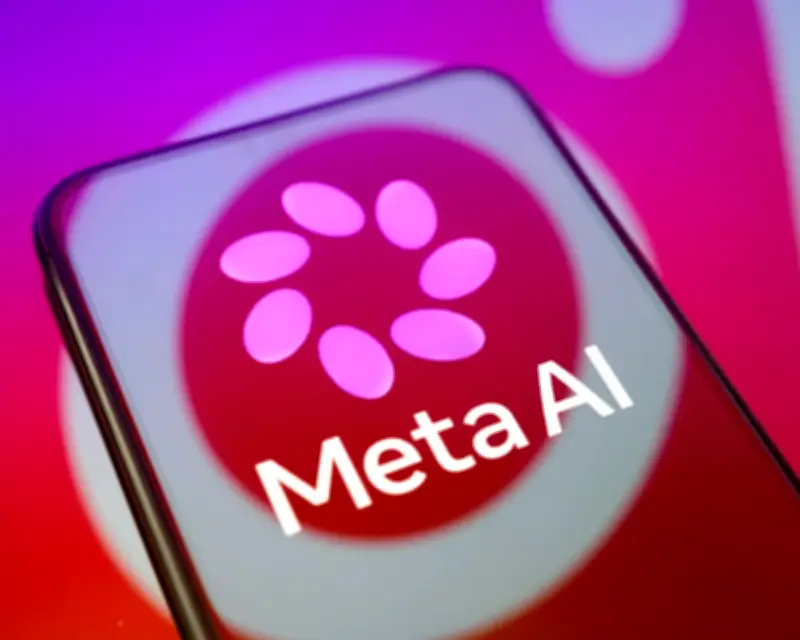
Meta has abruptly discontinued its Muse image-generation artificial intelligence feature on Instagram, following widespread backlash over privacy violations and potential misuse of user data. The decision, announced on July 10, 2026, marks a significant retreat for the social media giant as it faces mounting scrutiny from regulators and users alike.
What Led to the Shutdown
Muse, launched in early 2026, allowed Instagram users to generate custom images using AI prompts, leveraging Meta's large language models. However, within weeks, reports emerged that the tool was scraping users' personal photos and metadata without explicit consent, raising alarms about data security and compliance with privacy laws such as GDPR and the California Consumer Privacy Act. According to Meta's internal review, the feature inadvertently accessed private photos and location data, leading to a potential breach of user trust.
Meta spokesperson Sarah Johnson stated, “We have decided to remove Muse from Instagram to prioritize user privacy and safety. We are committed to building AI responsibly, and this feature did not meet our standards.” The company confirmed that no user data was sold or shared externally, but the incident has intensified calls for stricter AI regulation.

Impact on Users and Creators
The removal of Muse affects millions of Instagram users who had used the feature to create AI-generated art and profile pictures. Content creators, who relied on Muse for quick visual content, now face a gap in tools. However, privacy advocates applauded the move. “Meta’s decision is a step in the right direction, but it’s reactive. We need proactive safeguards before such features launch,” said Dr. Emily Tran, a digital rights researcher at the Australian Privacy Foundation.
According to a survey by the Pew Research Center, 72% of Instagram users expressed concern about AI tools accessing their personal data. The Muse controversy has further eroded confidence in Meta’s data practices, with many users threatening to leave the platform.
Regulatory and Industry Reactions
The Australian eSafety Commissioner welcomed the removal, noting that it aligns with ongoing investigations into AI-generated content risks. Meanwhile, competitors like Snapchat and TikTok have paused similar AI features pending review. The European Data Protection Board is expected to launch a formal inquiry into Meta’s data handling.
Meta’s stock fell 1.5% on the news, reflecting investor unease over the company’s AI strategy. Analysts warn that the incident could delay Meta’s broader AI ambitions, including the integration of generative AI into Facebook and WhatsApp.
Looking Ahead
Meta has pledged to conduct a comprehensive audit of all its AI features and implement stricter data governance protocols. The company also announced a $50 million fund to support independent privacy research. However, critics argue that without binding regulations, such incidents will recur.
As the dust settles, the Muse episode serves as a cautionary tale for tech giants racing to deploy AI without adequate privacy safeguards. The question remains whether Meta can restore user trust and lead in responsible AI innovation.