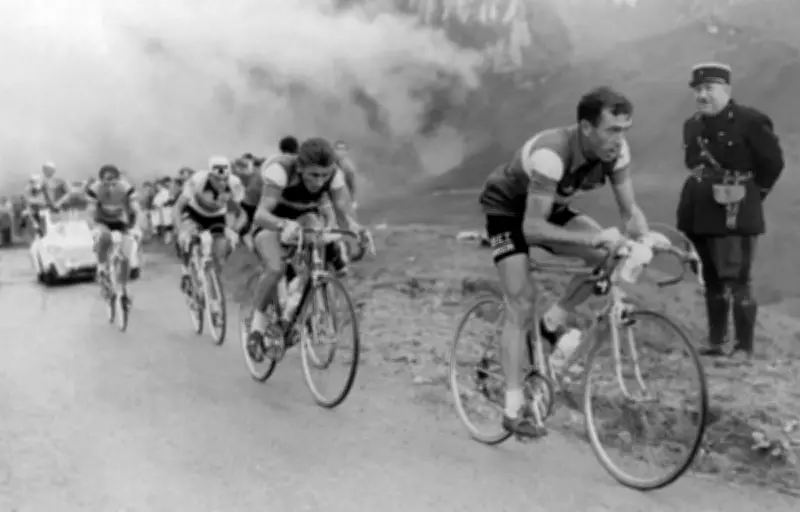
The 1966 Tour de France was a watershed moment that signaled the end of an era when cyclists were seen as jaunty amateurs in knickerbockers and the beginning of modern, cutthroat professionalism. According to cycling historian Jean-Paul Ollivier, the race marked a definitive shift in the sport's culture and organization.
End of an Era
For decades, the Tour had been a grueling yet romantic contest, with riders often stopping for a glass of wine or a chat with spectators. But by 1966, the pressure from sponsors, media, and national pride had transformed the race into a high-stakes competition. The image of cyclists in traditional knickerbockers and long socks gave way to streamlined jerseys and shorts, reflecting a new seriousness.
A Pivotal Year
The 1966 edition saw the introduction of stricter anti-doping controls, a response to growing concerns about performance-enhancing drugs. Riders protested these measures, with some even going on strike during the race. This tension highlighted the clash between the old guard and the new professional ethos.

Lucien Aimar won the 1966 Tour, but the real story was the changing face of the sport. The race covered 4,303 kilometers over 22 stages, with an average speed of 36.7 km/h, a significant increase from previous years, underscoring the heightened competitiveness.
Legacy of Change
The 1966 Tour set the stage for the modern era, where teams are corporate entities, and every second counts. As Ollivier noted, "It was the last Tour where you could still see a bit of the old spirit, but the die was cast." The race's evolution continues to this day, with technology and training pushing boundaries further.