As the 2026 World Cup kicks off—the largest edition ever—fans and pundits alike wonder: what does it really take to win the trophy? Is it sheer talent, tactical genius, or even a functioning democracy? History suggests none of these are strictly necessary.
In a comprehensive analysis of all 22 previous tournaments, we uncovered eight common threads that link every champion. From the tactical innovations that stunned the world to the political forces that fueled past triumphs, the data reveals that there is no single formula—but there are clear patterns.
Tactical Breakthroughs
Many champions introduced revolutionary tactics. Brazil's 1970 team perfected total football, while Spain's 2010 tiki-taka redefined possession. These innovations often caught opponents off guard.

Political and Social Momentum
Host nations and teams riding political waves have often succeeded. Argentina's 1978 victory came under a military junta, while France's 1998 win united a diverse nation. Democracy is not a prerequisite.
Star Power
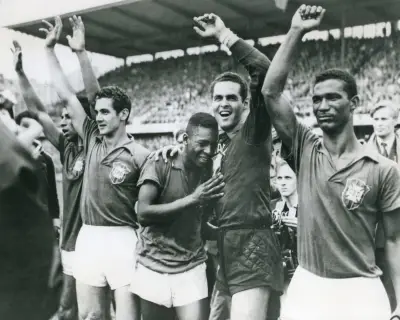
Individual brilliance can carry a team. Pelé in 1958, Maradona in 1986, and Messi in 2022 all lifted the trophy almost single-handedly at key moments.
Defensive Solidity
Italy's catenaccio in 1982 and 2006 showed that a rock-solid defense can win tournaments. Clean sheets in knockout stages are a common trait.
Continuity and Experience
Teams with core groups that played together for years, like Germany's 2014 squad, often prevail. Familiarity breeds success.
Psychological Resilience
Penalty shootouts and comebacks define champions. England's 1966 win on home soil, or Brazil's 1994 penalty victory, highlight mental strength.
Home Advantage
Host nations have won six times: Uruguay 1930, Italy 1934, England 1966, Germany 1974, Argentina 1978, and France 1998. The crowd can be a decisive factor.
Luck and Timing
Injuries, refereeing decisions, and even weather play a role. The 1950 final's 'Maracanazo' was a shock that still echoes.
As the 2026 World Cup unfolds, fans can use this bracketology to predict a path to victory. With 1,248 players in the tournament, the competition is fiercer than ever. Explore more on these topics: World Cup 2026, Brazil, England.