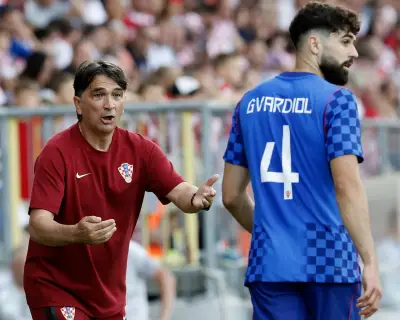
The question of whether fans and teams should boycott the World Cup has become a pressing topic as the tournament approaches. A new video from The Guardian explores the complex arguments on both sides, weighing the potential impact on human rights against the consequences for the sport itself.
The case for boycotting
Proponents of a boycott argue that holding the World Cup in a country with a poor human rights record legitimizes its government and distracts from ongoing abuses. They point to the treatment of migrant workers, restrictions on free speech, and discriminatory laws as reasons to stay away. A boycott, they say, would send a powerful message that such practices are unacceptable in the international community.
Activists also highlight that the tournament's legacy often includes increased surveillance, displacement of local communities, and environmental damage. By participating, they argue, football's governing bodies and fans become complicit in these harms.

The case against boycotting
Opponents of a boycott counter that withdrawing from the event would punish athletes and fans who have no control over the host nation's policies. They suggest that engagement, rather than isolation, can lead to positive change through dialogue and exposure to different values.
Moreover, some argue that boycotts rarely achieve their intended goals. The 1980 Moscow Olympics boycott, for example, did not end the Soviet invasion of Afghanistan. Instead, it deprived athletes of their moment on the world stage and deepened geopolitical divides.
Alternative approaches
Between the extremes of full participation and total boycott, there are middle-ground options. These include using the tournament as a platform to highlight issues, supporting human rights organizations, and demanding reforms from governing bodies like FIFA. Some suggest that teams could make symbolic gestures, such as wearing armbands or making statements, to raise awareness without withdrawing.
The video also considers the role of fans, who face a personal dilemma: attend and enjoy the games while potentially supporting a regime, or stay home and miss out on a once-in-a-lifetime experience. The decision is not easy, and there are valid arguments on all sides.
As the World Cup draws closer, the debate shows no signs of easing. What is clear is that the intersection of sport and politics will remain a contentious issue, forcing everyone involved to examine their values and priorities.