With the 2026 FIFA World Cup on the horizon, host cities across Mexico, Canada, and the United States are experiencing a mixed mood, ranging from eager anticipation to cautious concern. The tournament, which will be the first to feature 48 teams and three host nations, presents unique opportunities and challenges for each city.
Mexico: Tradition and Enthusiasm
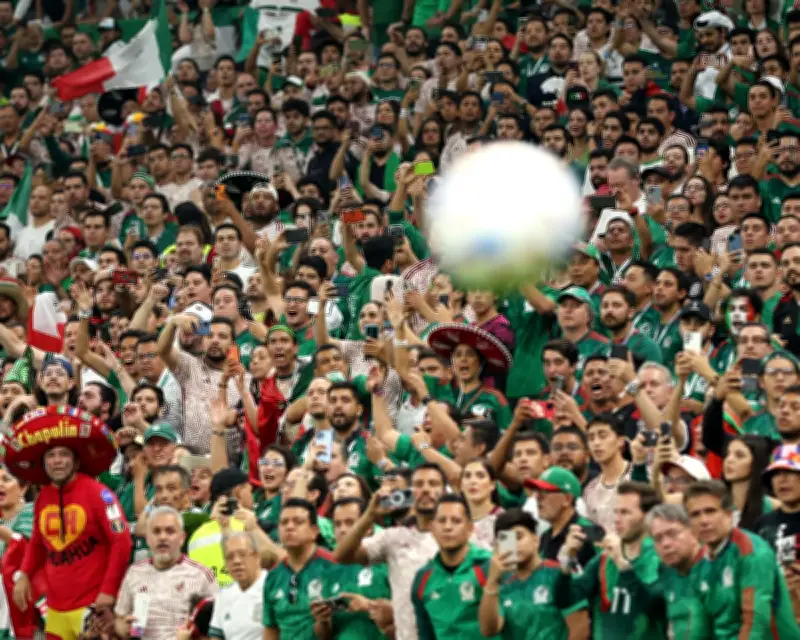
In Mexico, cities like Mexico City, Guadalajara, and Monterrey are embracing their role as World Cup hosts. Having previously hosted the tournament in 1970 and 1986, Mexico brings a rich footballing tradition. Local officials and fans are enthusiastic, viewing the event as a chance to showcase Mexican culture and hospitality. However, concerns about infrastructure and security remain, with authorities working to address these issues ahead of the tournament.
Canada: Building Momentum
Canadian host cities—Toronto, Vancouver, and Edmonton—are relatively new to the World Cup stage. The tournament is seen as a catalyst for growing soccer's popularity in the country. There is a sense of pride and optimism, but also apprehension about costs and logistical hurdles. Vancouver, for instance, is upgrading its transportation network, while Toronto is focusing on stadium renovations. The Canadian government has pledged support to ensure smooth execution.

United States: Balancing Excitement and Practicality
The US will host the most matches, with 11 cities including Los Angeles, New York/New Jersey, Dallas, and Miami. American cities are known for their large-scale event management, but the World Cup's scale is unprecedented. There is excitement among soccer fans, but also skepticism about potential traffic congestion, price gouging, and security measures. Some communities are concerned about displacement and gentrification. Nonetheless, city officials are leveraging the event to boost tourism and local economies.
Common Challenges and Opportunities
Across all three nations, host cities share common challenges: managing transportation, ensuring safety, and controlling costs. The tournament's expanded format adds complexity. However, the World Cup also offers a chance for long-term benefits, such as improved infrastructure, increased tourism, and a lasting soccer legacy. As the countdown to 2026 continues, the mood remains a tapestry of hope, anxiety, and determination.