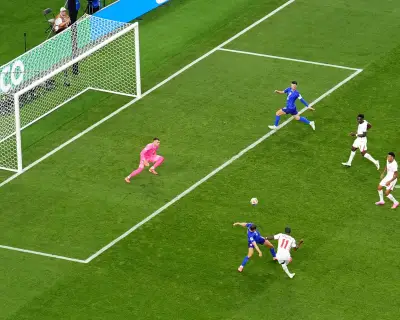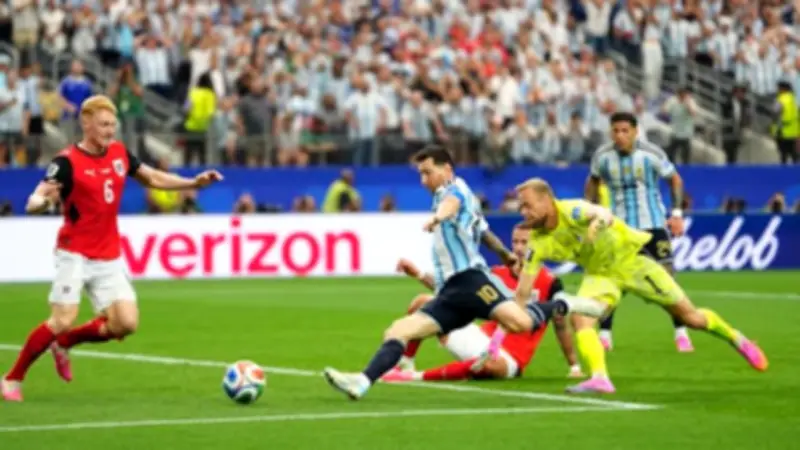
Left-footed soccer players such as Argentina's Lionel Messi, England's Bukayo Saka, Spain's Lamine Yamal, and Egypt's Mohamed Salah share a unique advantage that sets them apart on the pitch. While only 14–17% of the global population is left-footed, this proportion jumps to 23–32% in international football teams, and can reach as high as 41% among defenders in Dutch youth teams. This overrepresentation highlights the strategic value of left-footedness in elite soccer.
Tactical Value of Left-Footed Players
Selectors actively seek left-footed players for their tactical benefits. A Dutch study found that being left-footed increases the chances of being selected for national youth development teams. However, this advantage does not guarantee progression to elite levels; once in the system, left-footed players face greater competition for positions due to their increased prevalence. The tactical value is clear: players positioned on the side corresponding to their dominant foot can execute one-touch plays more efficiently. For example, left-footed players on the left flank, like Australia's Harry Kewell, can pass or shoot without repositioning, reducing the risk of opponent tackles. Similarly, right-footed players benefit on the right side.
Inverted Wingers and Field Vision
Left-footed superstars like Messi can also excel as inverted wingers on the right flank, cutting infield onto their dominant foot. This opens up their body stance and expands their field of vision, creating better passing angles to strikers. Rising Socceroo Cristian Volpato is another example. Supported by competent right-foot ball handling, they keep defenders guessing and can exploit defensive gaps.

Disrupting Opponent Pattern Recognition
Left-footed opponents can be difficult to play against because players rely on pattern recognition to anticipate movements. Left-footers often exhibit less familiar movement patterns, requiring opponents extra time to process information and react. This split-second delay can be critical in high-stakes matches like the World Cup.
Training the Non-Dominant Foot
While innate left-footedness cannot be changed, players can develop functional ambidexterity by training their non-preferred foot. This skill is highly valued in the sport. Additionally, research suggests left-handers score slightly better on creative thinking tests, possibly due to adapting to a right-handed world, and a similar advantage may apply to left-footed players.
As you watch the World Cup, consider the unique magic left-footers bring to the pitch, from Messi's dribbling to the tactical disruption they cause.