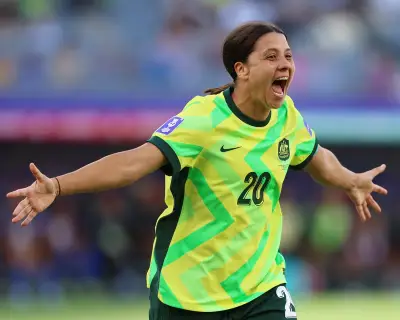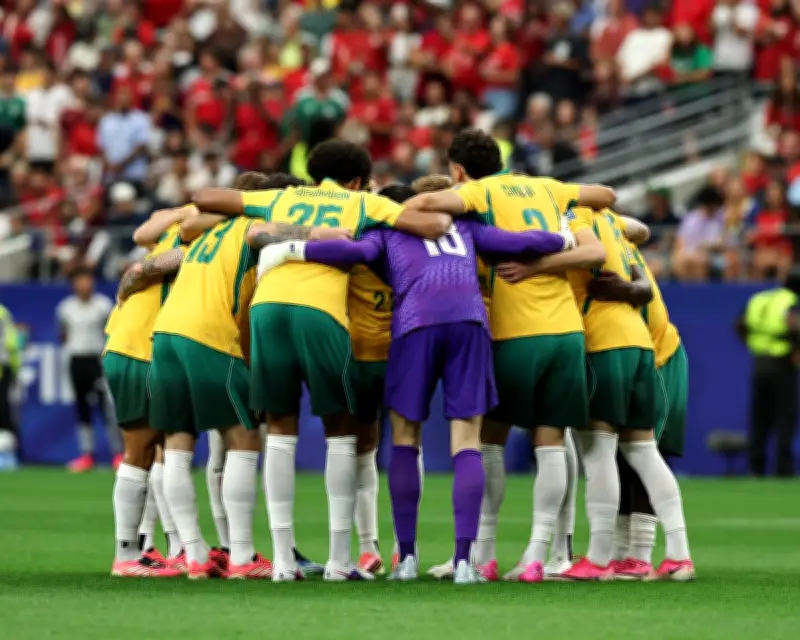
The Socceroos' 2026 World Cup campaign concluded with a group-stage exit, leaving fans and pundits divided on whether the outcome constituted a success or a failure. Despite failing to advance past the first round, the team showed promise against formidable opponents, including defending champions France and tournament dark horses Denmark.
Group Stage Performance
Australia opened their campaign with a 4-1 loss to France, a result that was widely expected given the gulf in class. However, the Socceroos bounced back with a hard-fought 1-1 draw against Denmark, a match that showcased their defensive resilience. In the final group game, a 2-0 defeat to Tunisia sealed their fate, leaving them bottom of Group D with one point.
According to Football Australia, the team's performance was a 'valuable learning experience' for a squad that featured several young players making their World Cup debuts. Coach Graham Arnold emphasized the positives, stating, 'We competed against top-tier nations and showed we can hold our own. The future is bright for Australian football.'

Assessing the Campaign
Critics argue that the campaign was a missed opportunity, particularly given the favorable draw that included a beatable Tunisia side. Australia's failure to secure a win against Tunisia was seen as a setback, especially after their historic round-of-16 appearance in 2022. However, supporters point to the team's improved performances compared to previous tournaments, noting that the squad exceeded expectations in many analysts' pre-tournament predictions.
Statistics reveal that Australia conceded seven goals in three matches, scoring only one—a penalty against Denmark. Defensively, the team struggled against pace and creativity, while offensively, they lacked a cutting edge. Despite these shortcomings, the Socceroos' possession statistics were competitive, averaging 48% across their matches.
Impact and Future Prospects
The campaign's legacy will likely be defined by the development of young talents like 19-year-old midfielder Alex Robertson and 21-year-old striker Kusini Yengi, who impressed in their World Cup debuts. Their performances have bolstered hopes for the 2027 Asian Cup and the 2030 World Cup, which Australia is bidding to host.
Football Australia's technical director said, 'This tournament has given our young players invaluable experience. We are building a team that can consistently compete at the highest level.' The governing body has also announced a review of the national team's preparations, focusing on tactical improvements and player development pathways.
Ultimately, while the Socceroos' World Cup campaign fell short of the knockout stages, it provided a platform for growth and highlighted the need for continued investment in Australian football. Whether viewed as a success or failure, the journey has set the stage for future progress.