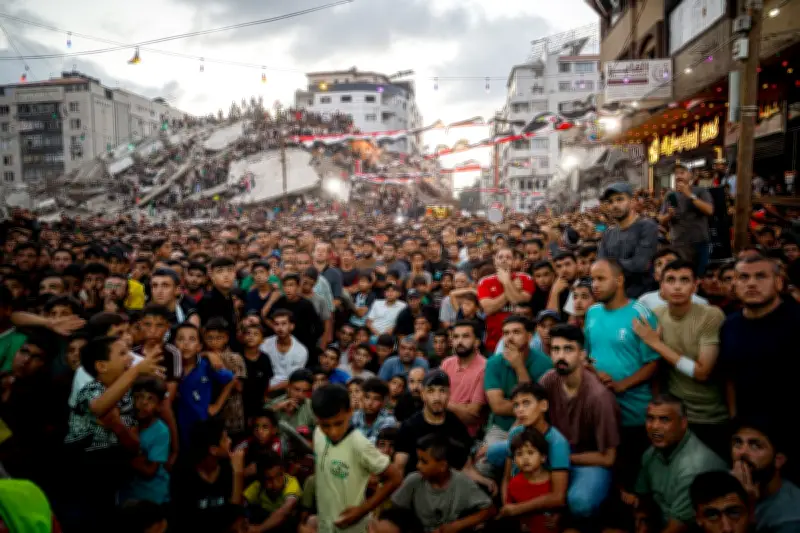
In the midst of the ongoing conflict, the people of Gaza have found a brief escape through World Cup screenings. Large screens set up in public spaces, including damaged buildings and refugee camps, draw crowds eager to watch the matches. The atmosphere is a mix of excitement and defiance, as residents momentarily forget the hardships of daily life.
Community Gatherings Amid Rubble
In Gaza City, a screen is erected in a square surrounded by bombed-out structures. Families bring chairs and blankets, children wave Palestinian flags, and the sound of vuvuzelas fills the air. According to local organizer Ahmed al-Masri, "We want to show that life continues, that we are not just victims. Football brings us together."
Challenges and Resilience
Electricity shortages and limited internet access pose challenges, but generators and satellite connections enable the screenings. In the Jabalia refugee camp, a screen is powered by a car battery. Over 500 people attended a recent match, with many walking miles to get there. The screenings provide a rare opportunity for communal joy.

A Symbol of Resistance
For many, the World Cup is more than a sporting event. It is a symbol of resilience. "When we cheer for a goal, we are cheering for our own survival," says Mariam, a mother of three. The screenings have become a form of protest, asserting the right to normal life despite the siege.
Impact on Children
Children, who have grown up amid violence, find particular solace in the games. Psychologists note that such activities help mitigate trauma. "For a few hours, they are just kids again," says Dr. Hani al-Akhras. The screenings offer a temporary reprieve from the sounds of drones and explosions.