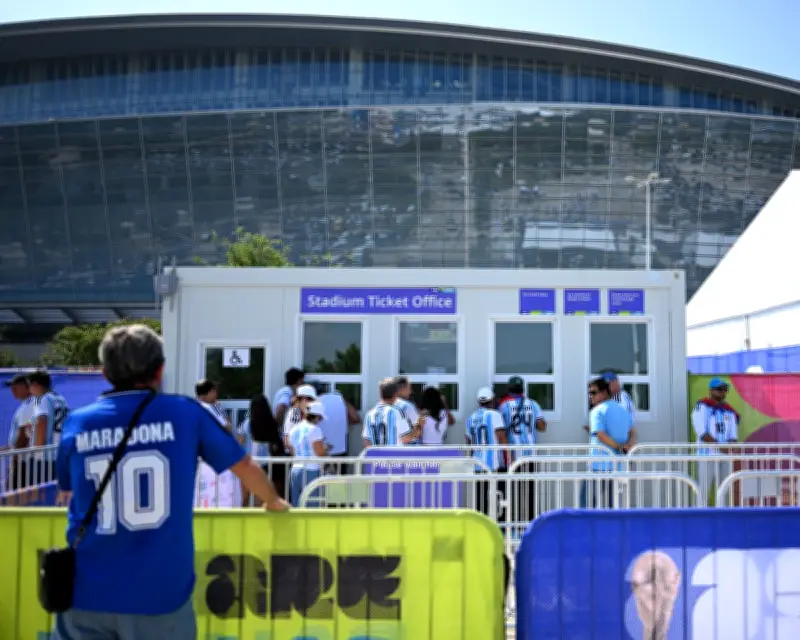
FIFA's top leadership overruled objections from its own US-based staff who warned against implementing dynamic pricing for the 2026 World Cup, according to internal sources familiar with the decision-making process. The move has sparked widespread criticism from fans and consumer groups.
Internal Opposition Ignored
Staff members in FIFA's North American offices raised concerns that variable pricing could alienate fans and damage the tournament's reputation. They argued that the model, which adjusts ticket prices based on demand, would be seen as exploitative. Despite these warnings, FIFA president Gianni Infantino and other senior executives pushed ahead with the policy.
One source said: "The people on the ground in the US understood the market and the fans. They knew this would not go down well. But the decision was made at the top, and there was no room for discussion."

Fan Backlash and Pricing Details
Dynamic pricing was introduced for the first time in World Cup history, with ticket prices fluctuating based on demand. For example, tickets for the final in New York/New Jersey started at $585 but surged to over $1,600 for popular matches. Fans reported seeing prices change within minutes.
Consumer advocacy groups have condemned the practice, calling it "price gouging" and a betrayal of football's working-class roots. A petition against the policy has garnered over 50,000 signatures.
FIFA's Defense
FIFA has defended the pricing model, stating that it allows for "fair market value" and ensures tickets are available to those who value them most. A spokesperson said: "Dynamic pricing is a common practice in major sporting events worldwide. It helps manage demand and ensures that tickets are distributed efficiently."
However, critics point out that FIFA's own research indicated strong opposition to the model among fans. Internal documents reviewed by The Guardian show that 68% of surveyed fans disapproved of dynamic pricing for the World Cup.
Impact on Ticket Sales
Despite the controversy, FIFA reported that over 3 million tickets have been sold for the 2026 tournament, with many matches sold out. However, some unsold inventory remains for group-stage games in less popular venues. The pricing strategy has also led to a surge in secondary market sales, with some tickets being resold at even higher prices.
Comparisons to Other Events
Dynamic pricing has been used in other sports, such as the NFL and Premier League, but its introduction at the World Cup marks a significant shift. Unlike regular league games, the World Cup is a once-in-a-lifetime event for many fans, making price sensitivity a major issue.
Football Supporters Europe (FSE) issued a statement saying: "The World Cup should be for the fans, not for the highest bidder. FIFA's decision to ignore its own staff's advice is a clear indication that it prioritizes profit over people."